Iron Deficiency, Anemia, and Oxygen: What the Research Shows

Oxygen is only as useful as your body’s ability to deliver it. Your lungs can work perfectly, and your breathing can be deep and efficient. The air around you can be clean. However, it all counts for little if your blood cannot transport oxygen to where it is needed. Iron is the mineral at the center of that delivery system. And its relationship with oxygen runs deeper than most people realize.
How Iron Carries Oxygen Through the Body
Iron’s primary role in oxygen transport involves a protein called hemoglobin. Hemoglobin is the iron-containing protein in red blood cells responsible for binding and carrying oxygen. Each hemoglobin molecule contains four iron atoms, and each iron atom can bind one molecule of oxygen. When red blood cells pass through the lungs, iron in hemoglobin binds to oxygen. Those cells then travel through the bloodstream. Along the way, they release oxygen to tissues throughout the body — muscles, organs, and the brain.
However, iron’s relationship with oxygen does not stop at transport. A PubMed study describes iron and oxygen as “intimately linked” at the cellular level. Specifically, iron plays an essential role in the enzymes that transport oxygen and convert it into usable energy inside your cells. Iron also plays a role in metabolite oxidation — the process by which the body breaks down nutrients for energy.1 Furthermore, a separate study found that how the body manages iron and regulates oxygen are deeply interdependent — and that this balance is essential for normal cell function.2 In other words, iron and oxygen are not simply connected — they are co-dependent at the cellular level.
What Happens When Iron Is Insufficient
Iron deficiency is the most common nutritional deficiency worldwide, according to the World Health Organization (WHO). When iron levels fall, the body produces fewer functional red blood cells and less hemoglobin. As a result, the blood’s capacity to carry oxygen to tissues is reduced.
At the cellular level, the consequences extend beyond transport. A study on iron-deficient humans found that low iron disrupts energy production throughout the entire body. The reason is that iron is involved at every stage of how the body uses oxygen — from breathing it in, to carrying it through the bloodstream, to converting it into energy inside your cells.3 In practical terms, insufficient iron affects how much oxygen your blood carries. It also affects how efficiently your cells use the oxygen they receive.
Importantly, this is not a fringe concern. The WHO estimates that iron deficiency affects approximately two billion people globally. That makes it one of the most widespread nutritional issues on the planet.
Who Is Most at Risk — and Why It Differs by Gender
Iron deficiency does not affect all people equally. The reasons behind it differ meaningfully between the genders, and so do the ways it tends to present.

Women of Reproductive Age
Women of childbearing age represent the largest group affected by iron deficiency worldwide. The primary driver is menstrual blood loss, which regularly depletes iron stores. Pregnancy adds further demand, as the body requires substantially more iron to support increased blood volume and fetal development.
Research published in the journal Women’s Health Research found that iron deficiency in menstruating women produces a broader range of effects than commonly recognized. Specifically, these effects extend well beyond the blood itself. In a study of women with confirmed iron deficiency, researchers documented hair loss in 55.9% of participants and nail alterations in 38.2%. Restless legs syndrome was reported in 20.6%, and cognitive effects — including impaired working memory and executive attention — were also observed.4 These findings suggest that in women, iron deficiency often presents with a wider range of symptoms than fatigue alone. Many of these may go unrecognized as iron-related.

Men and Postmenopausal Women
In men and postmenopausal women, iron deficiency has a different profile. Because regular menstrual blood loss is not a factor, iron deficiency in these groups is more often associated with gastrointestinal blood loss. Common sources include peptic ulcer disease, inflammatory bowel disease, and celiac disease. In older men, particularly, gastrointestinal malignancy is also a documented cause. NIH’s StatPearls notes that gastrointestinal evaluation is recommended for men aged 50 and over when iron deficiency is identified. The same applies to postmenopausal women, specifically to rule out underlying pathology.5 A cross-sectional study of adult males with confirmed iron deficiency found gastrointestinal lesions in 65.1% of participants. That figure rose to 73.7% in men aged 50 and older.6
Therefore, iron deficiency in younger women is most often related to nutrition and menstruation. In men or older women, however, the same condition more frequently signals an underlying issue that warrants medical evaluation.
Iron, Oxygen, and Energy Production
One aspect of the iron-oxygen relationship that receives less attention is its relationship to energy levels. When iron is insufficient, cells cannot efficiently convert oxygen into energy. Research shows that iron deficiency causes cells to fall back on glycolysis — a less efficient backup energy pathway. The problem is that glycolysis produces lactate as a byproduct, and lactate buildup is what causes the burning sensation and fatigue in muscles. This happens because, without enough iron, the mitochondria (the energy-producing structures inside your cells) cannot produce energy efficiently.7 This helps explain why reduced iron affects physical endurance and cognitive clarity, not just blood oxygen readings.
In athletic contexts, this is well-documented. Studies on female athletes with low iron found that restoring iron levels reduced lactate buildup after exercise — even when the workout intensity stayed the same. In other words, iron-rich cells simply use oxygen more efficiently when the body is working hard.3
Dietary Sources of Iron
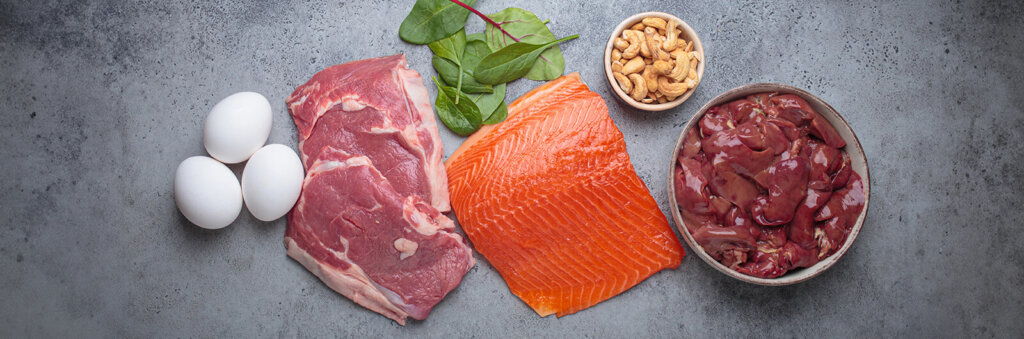
Iron comes in two dietary forms. Heme iron, found in animal products such as red meat, poultry, and fish, is more readily absorbed by the body. Non-heme iron comes from plant-based sources, including lentils, beans, spinach, tofu, pumpkin seeds, and fortified grains. Non-heme iron is less bioavailable. However, consuming it alongside vitamin C significantly improves absorption. Vitamin C converts iron into a form that the intestine can absorb more easily.
Conversely, certain compounds reduce iron absorption. Calcium, tannins in tea and coffee, and phytates in whole grains can all interfere with iron absorption. Specifically, this occurs when these compounds are consumed alongside iron-rich foods. Spacing these apart from iron-rich meals is a practical way to improve overall iron uptake from the diet.
Also Consider
If you are looking for additional support for your body’s oxygen levels, OxygenSuperCharger™ is a bio-available liquid oxygen supplement that provides stabilized oxygen directly to the body. You can read more about the clinical research supporting ASO® technology on our Research and Studies page.
Nothing on this site is medical advice. Iron deficiency is a medical condition. If you suspect you may be iron-deficient, consult a qualified healthcare professional for testing and guidance.
References
- Kerins MJ, Ooi A. “The Roles of NRF2 in Modulating Cellular Iron Homeostasis.” Antioxidants & Redox Signaling. 2018. PubMed. https://pubmed.ncbi.nlm.nih.gov/28793787/
- Peyssonnaux C, et al. “An intimate crosstalk between iron homeostasis and oxygen metabolism regulated by the hypoxia-inducible factors (HIFs).” PubMed. 2014. https://pubmed.ncbi.nlm.nih.gov/25385426/
- Camaschella C, et al. “Abnormal whole-body energy metabolism in iron-deficient humans despite preserved skeletal muscle oxidative phosphorylation.” PMC. 2022. https://www.ncbi.nlm.nih.gov/pmc/articles/PMC8770476/
- Clénin GE, et al. “Iron deficiency in sports — definition, influence on performance and therapy.” Women’s Health Research / NIH/PMC. 2021. https://www.ncbi.nlm.nih.gov/pmc/articles/PMC7784796/
- “Iron Deficiency Anemia.” StatPearls. NIH/NCBI. https://www.ncbi.nlm.nih.gov/books/NBK448065/
- Morales-Guerrero B, et al. “Gastrointestinal lesions in iron deficiency anemia in adult males.” PMC. 2022. https://pmc.ncbi.nlm.nih.gov/articles/PMC9376560/
- Davies KJ, et al. “Distinguishing effects of anemia and muscle iron deficiency on exercise bioenergetics in the rat.” PubMed. 1999. https://pubmed.ncbi.nlm.nih.gov/10556622/

-
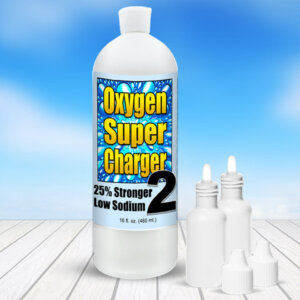
Ultra Strength OxygenSuperCharger2, 25% Stronger, 16–Ounce Bottle
$119.97 Add to cart -
Ultra Strength OxygenSuperCharger2, 25% Stronger, 2–Ounce (Sample Size)
$35.97 Add to cart -
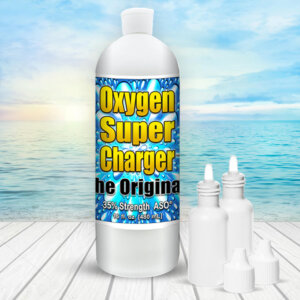
Original 35% Strength OxygenSuperCharger, 16–Ounce Bottle
$96.97 Add to cart -
Original 35% Strength OxygenSuperCharger, 2–Ounce (Sample Size)
$27.97 Add to cart -
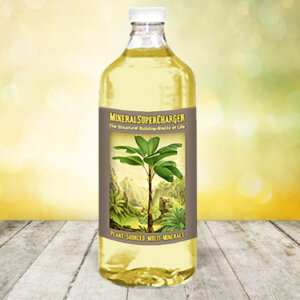
MineralSuperCharger, Premium Multi-Mineral Supplement, 32-Ounce Quart
$98.97 Add to cart -
MineralSuperCharger, Premium Multi-Mineral Supplement, 8-Ounce (Sample Size)
$29.97 Add to cart -
Zinc – Plant-Sourced Mineral Concentrate, 16-ounce
$24.97 Add to cart -

O4 Nasal Spray with Zinc
$14.97 Add to cart