Video: What is Oxygen Deficiency and How We Become Oxygen Deficient

The average amount of oxygen in the blood is about 96%. When the body is deprived of adequate oxygen — a condition called hypoxia — it can experience a range of symptoms.
You may be experiencing the effects of low oxygen levels if you notice: bronchial problems, acid stomach, poor digestion, irritability, irrational behavior, memory loss, depression, dizziness, muscle aches and pains, circulation problems, fatigue, and overall body weakness.
If you have any of these symptoms, you should see a doctor. Only a medical professional can properly evaluate and diagnose the cause of your symptoms.
Varying degrees of oxygen deficiency can be related to:
- Medical conditions like heart or lung disease.
- Drinking alcohol — the liver requires significant oxygen to break down and eliminate alcohol from the body.
- Smoking. Red blood cells absorb carbon monoxide from cigarette smoke approximately 200 times faster than they do oxygen, reducing the blood’s capacity for oxygen transport throughout the body.
- High-altitude activities such as mountain climbing, flying in small aircraft, or visiting high-elevation cities like Denver.
- But more commonly, oxygen deficiency can be influenced by the air we breathe, and
- The food we eat.
Consider air quality. The amount of oxygen available in the air has diminished over the years, especially in cities and industrial areas where air pollution and carbon monoxide contribute to the problem. In some large cities, oxygen levels may be measurably lower than the 20.9% found in clean rural air.
Scientists believe that if oxygen content in the atmosphere dropped to 7%, it could no longer support human life. Two of the planet’s most important sources of oxygen — ocean phytoplankton and rainforest vegetation — are under ongoing environmental pressure, which makes protecting air quality a long-term concern for all of us.
The result: our bodies may not always get all the oxygen they need simply by breathing — especially in urban and industrial environments.
Now let’s look at how daily food choices affect oxygen levels in the body.
How many processed foods do you eat during the day?
Processed foods are high in saturated fats and sugars, and low in fiber and nutrients. They place a heavy demand on the body’s oxygen supply just to metabolize them. Which means:
- The body must redirect oxygen away from other functions — brain, heart, muscles — just to process low-quality food.
- When the body can’t generate enough energy to fully break down that food, waste products accumulate, placing further strain on cellular health.
A diet high in acid-forming foods can also shift the body’s natural pH balance, which research suggests may affect how efficiently cells function and how much oxygen they require to maintain normal activity.
Lack of exercise and poor breathing habits compound the problem — both reduce the body’s ability to take in and use oxygen efficiently, and both contribute to excess weight.
And excess weight places additional demands on the entire body, increasing the oxygen required just to carry out normal daily functions. Digestion alone takes a surprising amount of oxygen and energy — which is why we often feel lethargic after a large meal. The more food the body has to process, the more oxygen it needs to do the job.
So as we’ve seen, oxygen is drawn away from our bodies in many ways — through the air we breathe, the food we eat, our lifestyle choices, and the demands we place on our bodies every day. The more of these factors are present in our lives, the more worthwhile it becomes to take positive steps to support our body’s oxygen levels.
Experience what a difference oxygen can make for you. Supporting your oxygen levels could make a meaningful difference in how you feel and function every day.
Our OxygenSuperCharger™ is the world's premiere bio-available liquid oxygen supplement.
-
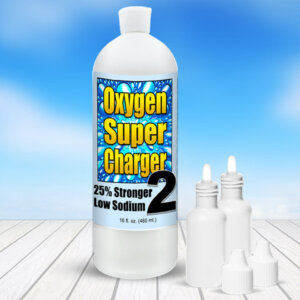
Ultra Strength OxygenSuperCharger2, 25% Stronger, 16–Ounce Bottle
$119.97 Add to cart -
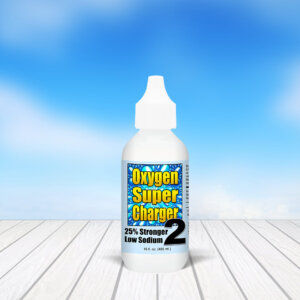
Ultra Strength OxygenSuperCharger2, 25% Stronger, 2–Ounce (Sample Size)
$35.97 Add to cart -
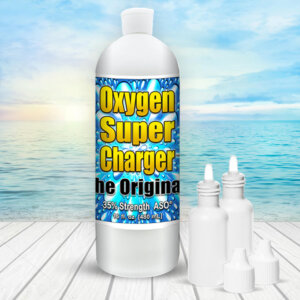
Original 35% Strength OxygenSuperCharger, 16–Ounce Bottle
$96.97 Add to cart -
Original 35% Strength OxygenSuperCharger, 2–Ounce (Sample Size)
$27.97 Add to cart