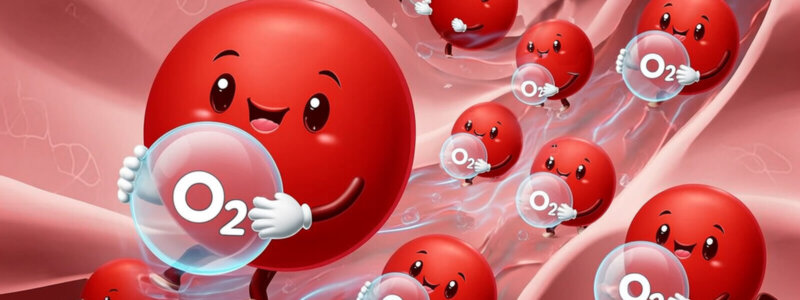
Video: Oxygen, Antioxidants, and Free Radicals

What is a free radical?
A free radical is an atom or molecule with an unpaired electron. That missing electron makes it highly unstable — and unstable molecules are reactive molecules.
Think of it like a game of musical chairs where one player is always left standing, desperately grabbing at the nearest chair — or in this case, the nearest electron from a neighboring molecule.
When cells in the body encounter a free radical, the result is a small amount of cellular damage. Constant free radical damage will eventually kill that cell. And when cells are damaged repeatedly over time, the organism ages.
But here’s something that might surprise you: not all free radicals are harmful.
Free radicals are actually part of the body’s natural defense system. The immune system deliberately generates them to neutralize harmful bacteria and viruses. A certain amount of free radical activity is not only normal — it’s essential. Our health is only threatened when the body is overwhelmed with high concentrations of free radicals it can no longer keep in check.
What tips the balance toward dangerous levels? Typical culprits include:
- Exposure to radiation and X-rays
- Toxic chemicals
- Overexposure to ultraviolet light
- Poor metabolism, such as when the body is forced to process excessive amounts of fat
In a healthy body, free radicals are kept in balance by the body’s natural production of antioxidant enzymes — molecules whose primary job is neutralizing free radicals before they cause harm.
Antioxidant enzymes work in several ways:
- They reduce the energy of the free radical.
- They donate electrons to stabilize it.
- And they interrupt the oxidizing chain reaction to minimize damage.
You can support your body’s antioxidant defenses through natural food sources like carrots, broccoli, barley grass, black and green tea, apples, and bilberries. Antioxidant supplements such as vitamins A, C, and E, zinc, selenium, and beta-carotene can also help.
So what role does oxygen play in all of this?
First, oxygen levels in the blood directly affect metabolism — and metabolism, in turn, affects free radical production. Supporting healthy oxygen levels helps the body maintain that balance.
Second, the body needs energy to produce and deploy antioxidant enzymes, and that energy is only created efficiently when cells have a good supply of oxygen.
Third, oxygen helps the body make better use of the nutrients it takes in — including the antioxidants that protect your cells.
You may have heard that increased oxygen causes free radicals — and that you need to take extra antioxidants to counteract the effects of oxygen. Now you know the truth. Cells need a good supply of oxygen to get the most out of antioxidants. Oxygen and antioxidants work together, not against each other.
So to recap:
- Unbalanced free radicals cause cellular damage.
- Some free radical activity is normal and essential for immune defense.
- Our health is threatened only when free radicals overwhelm the body’s ability to neutralize them.
- Antioxidant enzymes protect cells from free radical damage.
- And cells need oxygen to produce energy and get the most from antioxidants.
This is why people take bio-available liquid oxygen supplements like OxygenSuperCharger™ — to help support healthy blood oxygen levels. A well-oxygenated body is better equipped to keep free radicals in check and maintain cellular health over time.
Experience what a difference oxygen can make for you. Supporting your oxygen levels could make a meaningful difference in how you feel every day.
Our OxygenSuperCharger™ is the world's premiere bio-available liquid oxygen supplement.
-
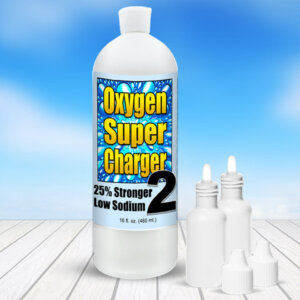
Ultra Strength OxygenSuperCharger2, 25% Stronger, 16–Ounce Bottle
$119.97 Add to cart -
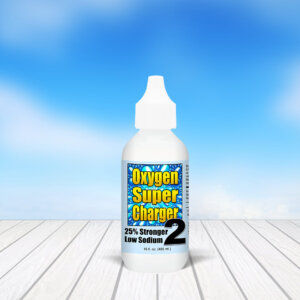
Ultra Strength OxygenSuperCharger2, 25% Stronger, 2–Ounce (Sample Size)
$35.97 Add to cart -
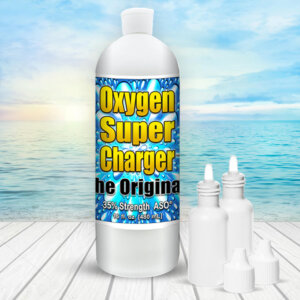
Original 35% Strength OxygenSuperCharger, 16–Ounce Bottle
$96.97 Add to cart -

Original 35% Strength OxygenSuperCharger, 2–Ounce (Sample Size)
$27.97 Add to cart