Raw Food and Oxygen: Myths, Facts, and What Works

There is a popular idea that you can eat your way to higher oxygen levels. The claim is that fresh, uncooked produce is packed with oxygen your body soaks up at the dinner table, and that cooking “kills” it. The link between raw food and oxygen is real, but not in the way those claims suggest. What you eat does shape how well your body delivers and uses oxygen. It just works through your blood vessels and your blood, not through the oxygen inside the food. This article sorts the real science from the myths, so you can make choices that actually help your body use oxygen.
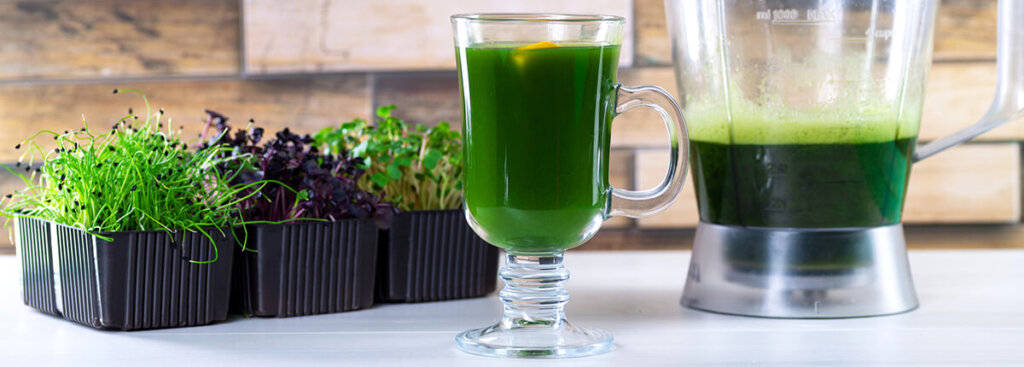
The Chlorophyll-Becomes-Blood Myth
One claim comes up again and again. It says that chlorophyll, the green pigment in plants, is “almost identical” to human blood. Eat raw greens, the story goes, and your body turns that chlorophyll into the hemoglobin that carries your oxygen.
There is a grain of truth here, which is why the myth sticks around. Chlorophyll and hemoglobin really do share a similar core shape, a ring of atoms wrapped around a central metal.<sup>1</sup> The resemblance was striking enough to win early chemists a Nobel Prize. But the likeness stops at the center of that ring. Chlorophyll holds an atom of magnesium. Hemoglobin holds an atom of iron, and that one difference is what lets hemoglobin grab and release oxygen in a way chlorophyll cannot.1
More to the point, your body does not turn the chlorophyll you eat into blood. No enzyme swaps the magnesium for iron, rebuilds the molecule, and drops it into your red blood cells. Chlorophyll gets broken down like any other plant compound. The “chlorophyll becomes hemoglobin” idea is a nice way to describe a coincidence of shape, not a real process in the body. Green vegetables truly are good for your oxygen health, but not because chlorophyll becomes blood.

The Water Myth and the Cooking Myth
Two more claims deserve a straight answer.
The first says that drinking water raises your oxygen because water is “made of hydrogen and oxygen.” A water molecule does contain an oxygen atom. But that oxygen is bonded tightly to two hydrogen atoms and locked inside the molecule. Plain water does not release usable oxygen when you drink it because your body cannot extract oxygen from a water molecule. This is in stark contrast to a stabilized, bio-available liquid oxygen supplement. It is designed to carry oxygen in a form the body can actually take up, rather than relying on the oxygen locked in a water molecule.
The second claim says that heat “destroys the oxygen” in food, so cooked meals are just empty calories. This gets the basics backward. The oxygen dissolved in food is only a trace amount. Even water fully saturated with oxygen holds very little — drink a whole liter and you would take in about as much oxygen as a second or two of normal breathing.2 The dissolved oxygen in a carrot is smaller still. That trace amount is far too little to affect your body’s oxygen levels, no matter how it is absorbed. So whether cooking removes some of it makes no real difference.
What cooking does change is the nutrients in your food. And that story is far more interesting than “cooking ruins everything.” The effect depends almost entirely on the method.
Boiling
Boiling gives raw-food fans their best point. When you drop vegetables into hot water, water-soluble nutrients leak out into the pot, and then you pour them down the drain. Studies that measure true nutrient retention find that boiling causes the greatest losses of vitamin C and folate, sometimes exceeding half.3 If you do boil, save the cooking water for soups or sauces so those nutrients are not lost.
Steaming
Steaming keeps food above the water instead of in it, so far less leaks away. It retains much more vitamin C than boiling, and it is one of the gentlest ways to cook leafy greens and vegetables like broccoli.3 For most vegetables, steaming hits the sweet spot between safety, easy digestion, and keeping nutrients intact.
Microwaving
The microwave has a bad reputation it does not deserve. It cooks fast, at fairly low heat, and usually with little or no water. Those are the three things that matter most for keeping nutrients. One study comparing methods found that vitamin C retention was highest after microwaving and lowest after boiling.3 Short time, little water: the microwave checks both boxes.
Roasting and Sautéing
Dry-heat methods like roasting or a quick sauté skip the leaching problem, because there is no cooking water to wash nutrients away. Both methods can reduce levels of some heat-sensitive vitamins. But they also do something helpful. Heat breaks down tough cell walls and releases nutrients that your body can absorb more easily. Cooking tomatoes raises their available lycopene, and cooking carrots and sweet potatoes makes their beta-carotene easier to absorb.4 A little healthy fat, like olive oil on roasted vegetables, helps you take in even more.
The honest takeaway is that no single method wins on every nutrient. Some vitamins drop with heat. Others become easier to absorb once cooking softens the plant. Cooking even raised the measured vitamin E in several vegetables in one study.3 Raw is not automatically better, and cooked is not automatically empty.
What Raw Food and Oxygen Really Have in Common
Here is the real link between raw food and oxygen, and it is more impressive than the myths it replaces.
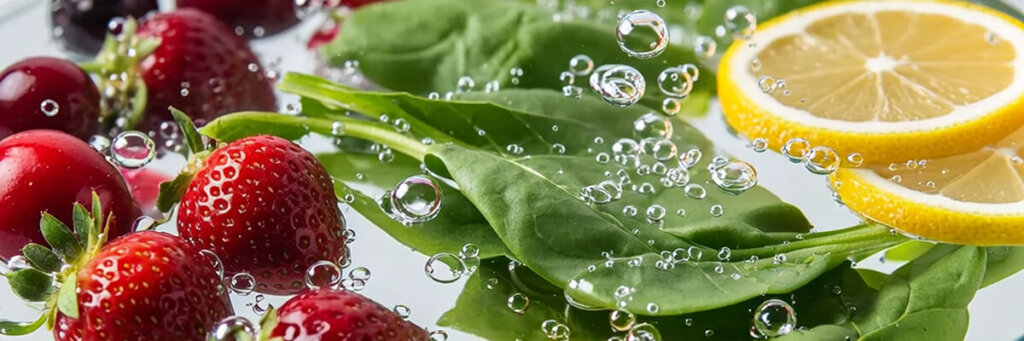
Leafy greens, beets, and many other vegetables are rich in dietary nitrate. Bacteria in your mouth and gut turn that nitrate into nitrite, and your body then turns nitrite into nitric oxide. Nitric oxide relaxes and widens your blood vessels.5 Wider, more relaxed vessels move blood more easily, and that means oxygen-rich blood reaches your tissues with less effort.
The interesting part is the timing. Your body makes the most nitric oxide from nitrite under low-oxygen conditions, exactly the moments, like hard exercise, when your muscles are crying out for more oxygen.6 So eating nitrate-rich vegetables gives you a backup delivery system that switches on right when you need it. Dietary nitrate has been shown to lower blood pressure, improve blood flow to the limbs, and boost exercise performance.5 It is the same mechanism behind the well-known endurance edge from beetroot.
So when people say greens are good for your oxygen, they are right. The real link between raw food and oxygen runs through nitric oxide and your circulation, not through chlorophyll becoming blood.
Building Your Blood’s Oxygen-Carrying Capacity
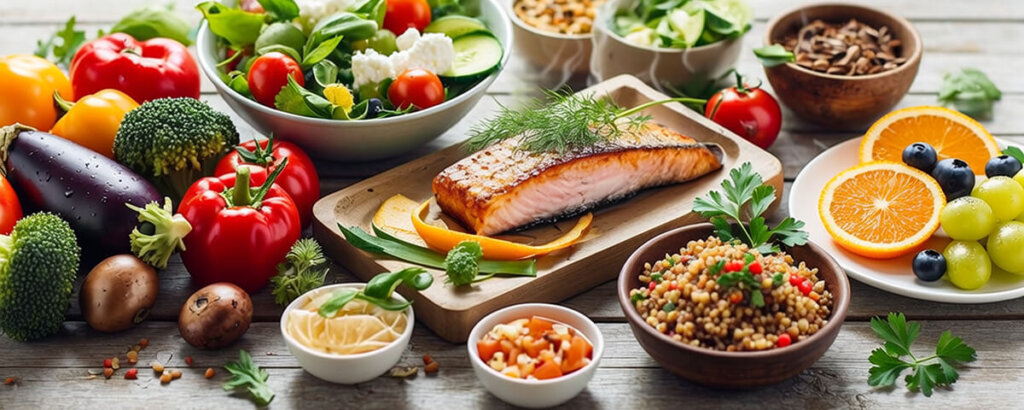
The second way food supports your oxygen has to do with the blood itself. Hemoglobin is the protein that carries oxygen from your lungs to the rest of your body, and your body needs raw materials from food to build it.
Iron sits at the center of every hemoglobin molecule. Without enough of it, your blood cannot carry as much oxygen, which is the core problem in iron-deficiency anemia.7 Folate and vitamin B12 matter just as much, because your body needs them to make healthy red blood cells in the first place.<sup>8</sup> A diet short on these can leave you tired and short of breath even when your heart and lungs work fine, simply because there are not enough delivery trucks.
It is here that variety beats the raw-versus-cooked debate. Your body absorbs plant-based iron more readily when paired with vitamin C, and cooking spinach lowers oxalates that otherwise block iron absorption.4 Mixing raw and cooked foods gives your body the widest access to the building blocks of healthy, oxygen-carrying blood. (It is also worth knowing that plant foods contain no vitamin B12 unless it has been added.) People who eat only plants need fortified foods or supplements.8
Antioxidants and Oxidative Stress
Producing energy from oxygen comes at a cost. Every cell that burns oxygen for energy makes reactive leftovers called free radicals. When these pile up faster than the body can clear them, the result is oxidative stress. Left unchecked, oxidative stress damages cells, proteins, and DNA, and over time it is linked to aging and a range of chronic conditions.9
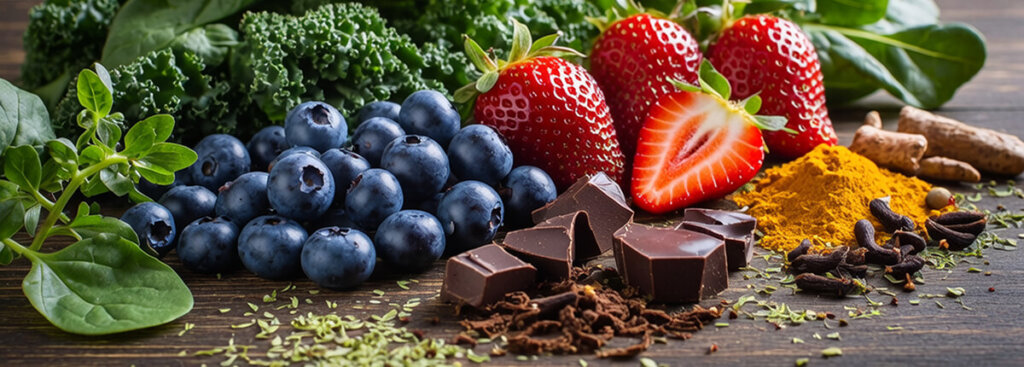
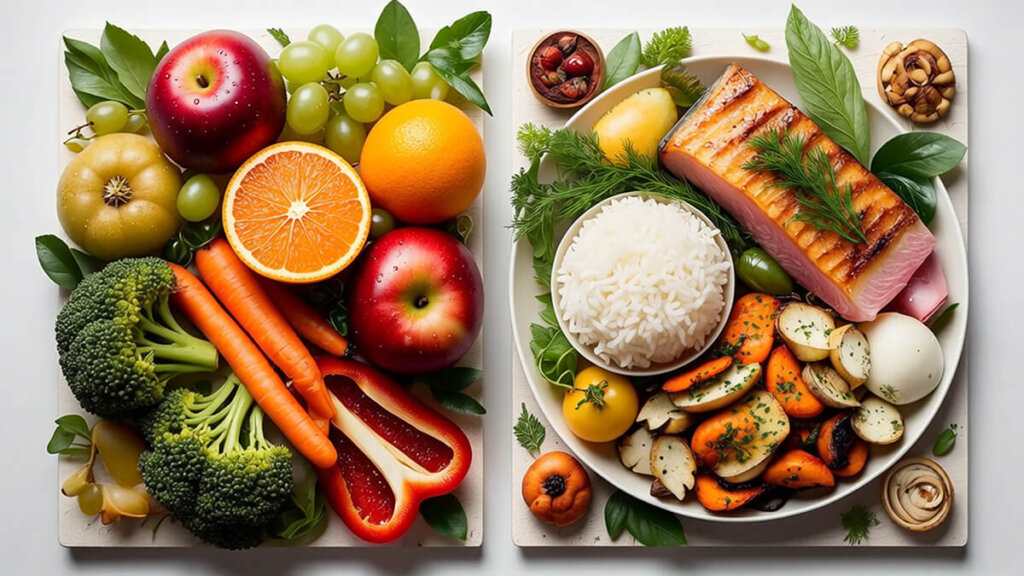
This is where plant foods shine. Fruits and vegetables are full of antioxidants that help keep free radicals in check. Studies have found that people who eat a mostly raw, plant-rich diet have higher blood antioxidant levels than those on a standard cooked, meat-based diet. Eating plenty of colorful produce supports your body’s own defenses against the wear and tear that comes with producing energy every second of your life.
Is a Raw Food Diet Worth It?
If greens and antioxidants are this good for you, should you go fully raw? Here the evidence is more cautious, and it is worth being honest about both sides.
A raw food diet usually means 75 to 100 percent uncooked, unprocessed, plant-based foods, with nothing heated above about 104 to 118°F. The original reason behind it, that cooking destroys the “natural enzymes” your body needs to digest food, does not hold up. Your body makes all the digestive enzymes it needs, and the plant enzymes people hope to save are mostly shut down by stomach acid before they can do anything.10 The enzyme argument is simply a myth.
The Upside
Even so, people who move toward raw, whole foods often do feel better, and there are real reasons why. The benefit comes from what the diet adds and removes, not from enzymes. Raw diets are high in fiber and water and low in calories, which helps with hydration and a comfortable feeling of fullness. They also cut out refined sugar, processed snacks, trans fats, and excess salt, the parts of a modern diet most tied to poor health. Add in more antioxidants, and the upside is real.
The Downside
The downsides are real too. Cooking improves how well you absorb some nutrients, as we have seen, so an all-raw diet can mean less of certain ones, not more. Over the long term, a strict raw diet can fall short on protein, vitamin B12, iron, and calcium, and it has been linked to concerns about bone density and muscle mass. Food safety is another issue. Cooking kills bacteria, and raw animal products in particular carry a real risk of food poisoning. For that reason, strict raw diets are not a good fit for pregnant women, young children, older adults, or anyone with a weak immune system.
The evidence points not to “raw” or “cooked” but to both. The healthiest eating patterns, like the Mediterranean diet, pair plenty of fresh produce with cooked vegetables, beans, and whole grains. Variety and balance predict good health far better than going all-raw ever has. You do not need to give up cooked food to get the benefits. You just need to eat more whole plants and fewer processed ones.
Putting It All Together
The link between raw food and oxygen is real, but it runs deeper than the myths. Eating well will not push oxygen into your body through your fork. What it will do is keep your blood vessels relaxed and open through dietary nitrate, supply the iron and B vitamins your blood needs to carry oxygen, and protect your cells from the oxidative stress that comes with using it.
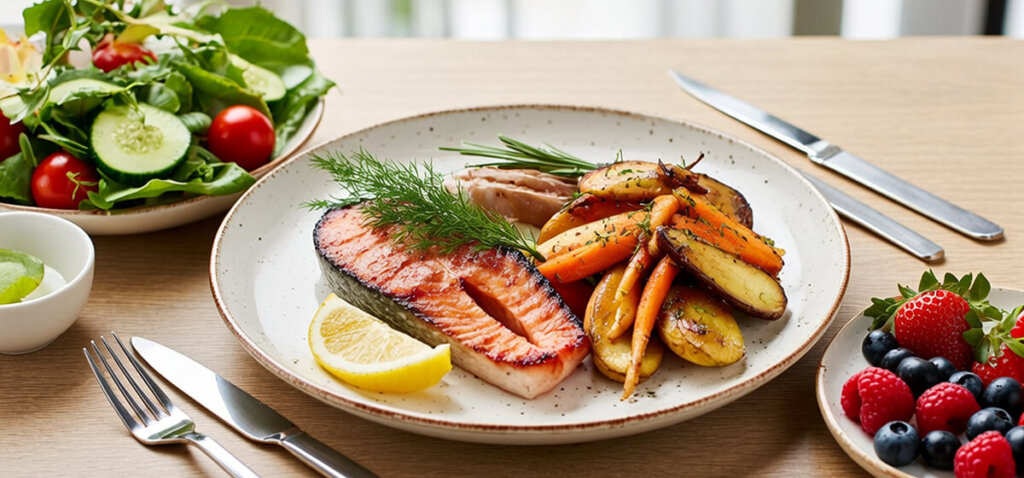
The practical advice is refreshingly simple. Eat plenty of leafy greens and beets. Choose steaming and microwaving over boiling, and keep your cooking water when you can. Mix raw and cooked foods instead of going to either extreme. And lean toward whole foods over processed ones. Do that, and the connection between raw food and oxygen will work for you in every way that diet truly can.
Also Consider
If you are looking for additional support with oxygen for hangovers, OxygenSuperCharger™ is a bio-available liquid oxygen supplement that provides stabilized oxygen directly to the body. You can read more about the clinical research supporting ASO® technology on our Research and Studies page.
References
- The Nobel Prize in Chemistry 1915. NobelPrize.org. https://www.nobelprize.org/prizes/chemistry/1915/press-release/
- Dissolved Oxygen and Water. U.S. Geological Survey. https://www.usgs.gov/water-science-school/science/dissolved-oxygen-and-water
- Lee S, Choi Y, Jeong HS, Lee J, Sung J. “Effect of different cooking methods on the content of vitamins and true retention in selected vegetables.” Food Science and Biotechnology. 2018. PMC. https://pmc.ncbi.nlm.nih.gov/articles/PMC6049644
- Carotenoids. Linus Pauling Institute, Oregon State University. https://lpi.oregonstate.edu/mic/dietary-factors/phytochemicals/carotenoids
- Lidder S, Webb AJ. “Vascular effects of dietary nitrate (as found in green leafy vegetables and beetroot) via the nitrate-nitrite-nitric oxide pathway.” British Journal of Clinical Pharmacology. 2013. https://pubmed.ncbi.nlm.nih.gov/22882425/
- Pinheiro LC, Oliveira-Paula GH, et al. “The Nitrate-Nitrite-Nitric Oxide Pathway on Healthy Ageing.” Frontiers in Aging. 2022. PMC. https://pmc.ncbi.nlm.nih.gov/articles/PMC9261383/
- Iron — Health Professional Fact Sheet. NIH Office of Dietary Supplements. https://ods.od.nih.gov/factsheets/Iron-HealthProfessional/
- Vitamin B12 — Health Professional Fact Sheet. NIH Office of Dietary Supplements. https://ods.od.nih.gov/factsheets/VitaminB12-HealthProfessional/
- Liguori I, Russo G, Curcio F, et al. “Oxidative stress, aging, and diseases.” Clinical Interventions in Aging. 2018. PMC. https://pmc.ncbi.nlm.nih.gov/articles/PMC5927356/
- The raw food diet: Types, benefits, and risks. Medical News Today. https://www.medicalnewstoday.com/articles/7381

-
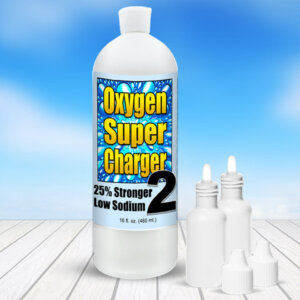
Ultra Strength OxygenSuperCharger2, 25% Stronger, 16–Ounce Bottle
$119.97 Add to cart -
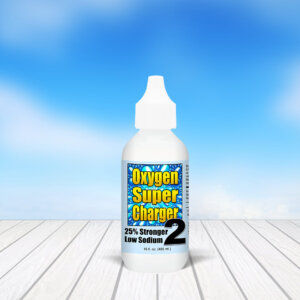
Ultra Strength OxygenSuperCharger2, 25% Stronger, 2–Ounce (Sample Size)
$35.97 Add to cart -
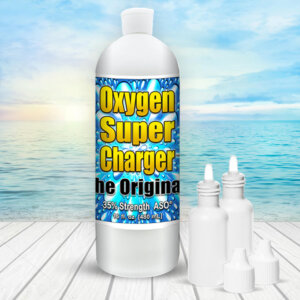
Original 35% Strength OxygenSuperCharger, 16–Ounce Bottle
$96.97 Add to cart -
Original 35% Strength OxygenSuperCharger, 2–Ounce (Sample Size)
$27.97 Add to cart -
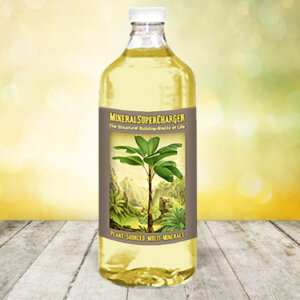
MineralSuperCharger, Premium Multi-Mineral Supplement, 32-Ounce Quart
$98.97 Add to cart -
MineralSuperCharger, Premium Multi-Mineral Supplement, 8-Ounce (Sample Size)
$29.97 Add to cart -
Zinc – Plant-Sourced Mineral Concentrate, 16-ounce
$24.97 Add to cart -

O4 Nasal Spray with Zinc
$14.97 Add to cart