Zinc and the Immune System: The Hidden Connection

Introduction
When people reach for a zinc supplement, immune support is usually the reason. That instinct is well-founded. Of all the nutrients studied for their role in human immunity, zinc has one of the most thoroughly documented track records in the scientific literature. Researchers have been studying zinc and the immune system for several decades. The picture that has emerged is striking: zinc is not simply one factor among many. It’s foundational.
What makes zinc unusual is how broadly it touches immune function. It plays a role in the development of immune cells, in the signaling between those cells, and in supporting the body’s first-line defenses. It also supports the longer-term response your body builds after encountering a pathogen. When zinc levels drop — even slightly — each of these functions can suffer.
This article explores what the research shows about zinc and immunity. It also covers what happens when the body does not get enough, and why certain groups of people are especially vulnerable to zinc shortfalls.

What Zinc Actually Does in Your Body
Zinc is the second most abundant trace mineral in the human body, with iron being the first.1 The word “trace” can be misleading — it refers to the amount required, not the importance of the mineral. Zinc serves as a cofactor for more than 300 enzymes, meaning those enzymes cannot function without it.2 It plays a role in DNA replication, cell division, protein synthesis, and the process that tells cells which jobs to perform. In practical terms, nearly every cell in the body depends on a steady supply of zinc to function normally.
One important characteristic of zinc sets it apart from some other nutrients: the body has no dedicated storage system for it. Unlike fat-soluble vitamins that accumulate in fatty tissue, zinc is not meaningfully stockpiled. Iron, for example, gets stored in the liver and bone marrow. Zinc has no equivalent reserve system. The body maintains a functional pool in muscle, bone, and organs, but it’s not enough to compensate for a prolonged shortfall. When dietary intake drops, the body’s zinc supply can decline relatively quickly, and immune function begins to suffer.
Because of this, consistent daily intake — from food or supplementation — matters more for zinc than it does for some other micronutrients.
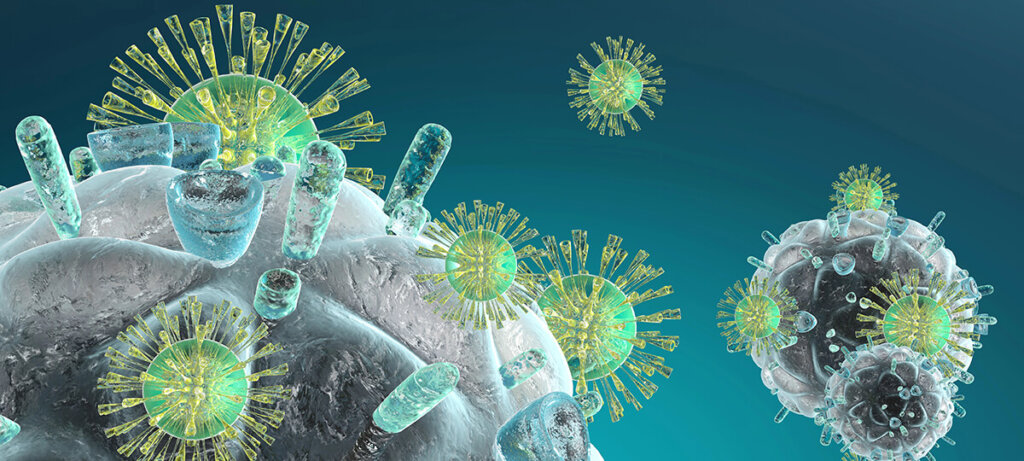
Zinc and the Immune System — How the Connection Works
The relationship between zinc and the immune system operates on multiple levels at once. It spans both the innate immune system (the body’s immediate, generalized defenses) and the adaptive immune system (the targeted, learned response that develops over time).
The First Line of Defense
The innate immune system is the body’s rapid-response team. When a pathogen enters the body, these are the cells that move first. Zinc plays an essential role in keeping several of these front-line defenders functional.
Neutrophils are white blood cells that rush to sites of infection and engulf invading bacteria. They depend on zinc both to navigate toward a threat and to destroy what they find once they get there.3 The body’s natural killer cells also require adequate zinc to function properly. These cells identify and destroy virus-infected or abnormal cells, often before the adaptive immune system has time to respond.4 Macrophages serve as both immediate responders and coordinators of the broader immune response. Zinc deficiency compromises macrophages’ ability to engulf pathogens, destroy the pathogens internally, and produce the signaling proteins that direct other immune cells.4
Zinc also functions as an antioxidant within the immune system. It helps stabilize cell membranes and protect immune cells from the oxidative damage that can occur during an active immune response.4
The Adaptive Immune Response
The adaptive immune system is where the body stores its biological memory of past threats. It recognizes pathogens it has encountered before and mounts a faster, more targeted response on repeat exposure. Adaptive immunity is also where zinc’s role in immune response is particularly well documented.
T lymphocytes (commonly called T cells) are among the most important players in adaptive immunity. They orchestrate the immune response, help activate other immune cells, and directly kill infected cells. Zinc is essential at every stage of how T cells function. That includes their development in the thymus gland, their maturation into specialized subtypes, and their activation when a threat is detected.5
Research has found that zinc acts as a signaling molecule within T cells. When a T cell is triggered by a pathogen, zinc concentrations inside the cell rise rapidly. This amplifies the T cell’s activation response, making zinc not just a passive requirement but an active participant in immune signaling.6
B lymphocytes, which produce antibodies, also respond to changes in zinc concentrations. Zinc deficiency compromises B cell development and reduces production of immunoglobulin G — one of the most important antibodies the body uses to fight off infection.4
Zinc and Inflammation
One dimension of zinc’s immune role that deserves particular attention is its effect on inflammation. The immune system uses inflammation as a tool — it is how the body isolates and responds to threats. But chronic or excessive inflammation causes its own damage.
Research has identified zinc as a regulator of inflammatory signaling. It works specifically through a biological switch called NF-κB, which controls the production of inflammation-triggering proteins called cytokines.3 Think of it this way: zinc helps keep the body’s inflammatory response calibrated. When zinc levels are adequate, the system responds appropriately to threats and quiets down when the threat is gone. When zinc falls short, that calibration can slip. The result may be too little immune response when needed, or a runaway inflammatory response that damages the body’s own tissue.
This regulatory role makes zinc relevant not just for acute infections. It also connects to the broader pattern of low-grade, chronic inflammation that researchers associate with many long-term health concerns.

What Happens When Zinc Runs Low
Researchers have described zinc deficiency as one of the leading global nutritional risk factors for disease.7 Research on zinc and the immune system makes it clear that deficiency doesn’t have to be severe to cause measurable harm. Those most at risk include older people, strict vegetarians and vegans, and pregnant women. People who drink alcohol heavily and anyone with a digestive condition that impairs absorption are also vulnerable.
When zinc levels decline, the immune consequences are broad. Research has documented reductions in thymus gland activity (where T cells develop), as well as in T cell numbers and their ability to function. Studies have also reported impaired natural killer cell activity and reduced antibody production. Macrophage function also suffers, and immune cells become more prone to premature death.4
One research team described the scope of zinc’s reach in the immune system this way: virtually every immunological event is influenced by zinc in some way.3
Symptoms that may suggest low zinc status include slow wound healing, increased susceptibility to infections, skin problems, and hair thinning. Reduced appetite and an impaired sense of taste or smell are also common signs. However, mild zinc deficiency often produces no obvious symptoms that the immune system is compromised. With no noticeable symptoms, mild zinc deficiencies often go unrecognized.

Zinc and Aging — A Special Concern
One of the most consistent findings in zinc research is that zinc levels tend to decline with age.8 This matters because the immune system also weakens with age — a process researchers call immunosenescence. Put simply, that means the immune system gradually becomes less effective as the years pass. Studies have noted striking parallels between the immune changes seen in zinc deficiency and those seen in normal aging. Both involve reduced thymus activity, a shift in the balance of T helper cells, a weaker response to vaccination, and impaired function of innate immune cells.8
This parallel raises an important question. How much of the immune decline we accept as inevitable in aging is actually driven, at least in part, by declining zinc status? The connection between zinc and the immune system suggests the answer may be more significant than most people realize.
Research suggests the answer may be significant. Zinc absorption in older people is measurably lower than in young adults. The digestive changes that come with aging can further reduce the amount of zinc the body extracts from food.9 Most older adults do not meet the clinical threshold for zinc deficiency. However, studies have found that even marginal zinc deprivation — levels that would not trigger a clinical diagnosis — can still measurably affect immune function.8
Several studies have examined whether zinc supplementation can reverse or slow age-related immune decline. The results have been encouraging. Oral zinc supplementation has shown the potential to improve several aspects of immune function in older adults. It has also demonstrated an ability to reduce the chronic low-grade inflammatory activity that tends to increase with age.8

Beyond Immunity — What Else Zinc Supports
Immune function is the most thoroughly studied aspect of zinc supplementation. However, zinc’s role in the body extends well beyond immune response.
Wound healing. Zinc activates the enzymes involved in every stage of wound repair. That includes the initial clotting and inflammation response, the formation of new tissue, and the final remodeling of the repaired site.10 Zinc deficiency slows wound healing, and research suggests that zinc supplementation may support the healing process, particularly where deficiency is present.10
Skin health. Zinc has a well-established role in skin physiology. Research has found that it helps regulate the skin’s oil production and reduces the bacterial load associated with acne breakouts. It also has anti-inflammatory properties relevant to several skin conditions.11 Researchers have studied both topical and oral zinc for their effects on acne, rosacea, and other dermatological conditions.
Testosterone and fertility. Zinc is concentrated in the testes and plays a role in testosterone production and sperm development. A review of studies from 2000 to 2024 found that men with low zinc levels are more likely to have impaired sperm quality. Adequate zinc status supports normal reproductive hormone function.12 Zinc deficiency also correlates with reduced testosterone levels in men.
These additional roles reinforce a broader point: zinc is not a specialist mineral. It drives fundamental cellular processes throughout the body. Its effects on immunity are best understood as one expression of a much wider biological importance.
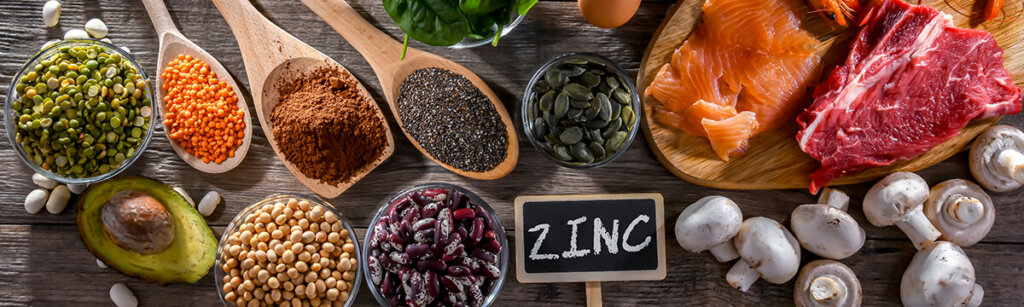
Getting Enough Zinc — Food Sources and Absorption
A wide range of foods contains zinc, but not all dietary zinc is equally accessible to the body. The concept of bio-availability — how much of a nutrient the body actually absorbs and uses — matters significantly with zinc.
Animal-based foods are generally the most reliable sources of bio-available zinc. Oysters contain more zinc per serving than almost any other food. Beef, pork, lamb, chicken, turkey, crab, and lobster are all good sources. The zinc in these foods is highly absorbable because animal protein actively enhances zinc uptake in the digestive tract.
Plant-based foods contain zinc as well — pumpkin seeds, sesame seeds, cashews, chickpeas, lentils, kidney beans, whole grains, and dark chocolate are all reasonable sources. However, many plant foods also contain compounds called phytates (phytic acid). These bind to zinc in the digestive tract and reduce how much the body absorbs.13 Research has categorized heavily plant-based diets as low bio-availability diets, with zinc absorption rates as low as 15%. That compares to 50–55% for diets built around animal protein.13
The absorption rate between plant-based and protein-based diets is a meaningful difference — particularly for vegetarians, vegans, and people in parts of the world where plant staples dominate the diet. The good news is that food preparation techniques can help. Soaking, sprouting, or fermenting legumes, grains, and seeds reduces their phytate content and meaningfully improves zinc absorption.

How Much Zinc Do You Need?
The recommended daily allowance (RDA) for zinc is 11 mg per day for adult men and 8 mg per day for adult women who are not pregnant or breastfeeding. Pregnant women require 11 mg daily, and women who are breastfeeding require 12 mg.2
These amounts are achievable through diet for most people eating a varied diet that includes animal protein. However, people following plant-based diets, older adults, and those with absorption issues may find it harder to meet these needs from food alone consistently.
It is also worth noting that more zinc is not always better. The research on zinc and the immune system consistently shows a sweet spot — adequate intake supports immunity, but excess zinc can suppress it. The tolerable upper intake level for adults is 40 mg per day. Consistently exceeding this threshold can interfere with copper absorption, actually suppress immune function, and cause nausea and other digestive symptoms. If supplementing, staying within the recommended range — and discussing dosage with a healthcare provider — is the prudent approach.
Also Consider
If you’re looking for a highly bio-available zinc supplement, our Zinc – Plant-Sourced Mineral Concentrate is made from prehistoric plant deposits with no phytates or additives — plant-based zinc and distilled water.
We also offer the O⁴ Nasal Spray with Zinc, a 100% natural sinus relief, moisturizer, and cleanser infused with plant-based zinc for enhanced immune support.
References
- Roohani N, Hurrell R, Kelishadi R, Schulin R. “Zinc and its importance for human health: An integrative review.” Journal of Research in Medical Sciences. 2013. PMC. https://pmc.ncbi.nlm.nih.gov/articles/PMC3724376/
- National Institutes of Health, Office of Dietary Supplements. “Zinc: Fact Sheet for Health Professionals.” Updated 2024. https://ods.od.nih.gov/factsheets/Zinc-HealthProfessional/
- Wessels I, Maywald M, Rink L. “Zinc as a Gatekeeper of Immune Function.” Nutrients. 2017. PMC. https://pmc.ncbi.nlm.nih.gov/articles/PMC5708564/
- Shankar AH, Prasad AS. “Zinc and immune function: the biological basis of altered resistance to infection.” American Journal of Clinical Nutrition. 1998. PubMed. https://pubmed.ncbi.nlm.nih.gov/9701160/
- Hojyo S, Fukada T. “Roles of Zinc Signaling in the Immune System.” Journal of Immunology Research. 2016. PMC. https://pmc.ncbi.nlm.nih.gov/articles/PMC5107842/
- Eil R, et al. “Zinc inhibits T-cell activation by a Lck-mediated mechanism.” PNAS. 2011. PMC. https://pmc.ncbi.nlm.nih.gov/articles/PMC3135340/
- Wessels I, et al. “Zinc Deficiency as one of the leading risk factors for disease.” Nutrients. 2022. PMC. https://pmc.ncbi.nlm.nih.gov/articles/PMC5666901/
- Haase H, Rink L. “The immune system and the impact of zinc during aging.” Immunity & Ageing. 2009. PMC. https://pmc.ncbi.nlm.nih.gov/articles/PMC2702361/
- Nishiyama S, et al. “Zinc deficiency in the elderly.” Journal of the Japan Medical Association. 2008. PubMed. https://pubmed.ncbi.nlm.nih.gov/18200755/
- Lin PH, et al. “Zinc in Wound Healing Modulation.” Nutrients. 2017. PMC. https://pmc.ncbi.nlm.nih.gov/articles/PMC5793244/
- Gupta M, et al. “Zinc Therapy in Dermatology: A Review.” Dermatology Research and Practice. 2014. PMC. https://pmc.ncbi.nlm.nih.gov/articles/PMC4120804/
- Fallah A, et al. “Association Between Zinc Levels and the Impact of Its Deficiency on Idiopathic Male Infertility.” PMC. 2025. https://pmc.ncbi.nlm.nih.gov/articles/PMC11851646/
- Sarnowski S, et al. “Dietary Zinc — Recent Advances in Studies on Its Bioaccessibility and Bioavailability.” Nutrients. 2025. PMC. https://pmc.ncbi.nlm.nih.gov/articles/PMC12251316/

-
Ultra Strength OxygenSuperCharger2, 25% Stronger, 16–Ounce Bottle
$119.97 Add to cart -
Ultra Strength OxygenSuperCharger2, 25% Stronger, 2–Ounce (Sample Size)
$35.97 Add to cart -
Original 35% Strength OxygenSuperCharger, 16–Ounce Bottle
$96.97 Add to cart -
Original 35% Strength OxygenSuperCharger, 2–Ounce (Sample Size)
$27.97 Add to cart -
MineralSuperCharger, Premium Multi-Mineral Supplement, 32-Ounce Quart
$98.97 Add to cart -
MineralSuperCharger, Premium Multi-Mineral Supplement, 8-Ounce (Sample Size)
$29.97 Add to cart -
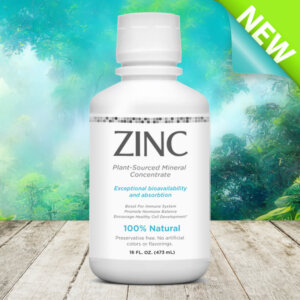
Zinc – Plant-Sourced Mineral Concentrate, 16-ounce
$24.97 Add to cart -
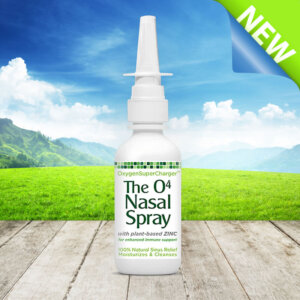
O4 Nasal Spray with Zinc
$14.97 Add to cart