Oxygen for Hangovers: What the Research Shows

If you have ever woken up after a night of drinking and wondered why you feel so terrible, the answer goes deeper than dehydration. Alcohol sets off a chain of biological events — and one of the most overlooked is what it does to your body’s oxygen supply. Research shows that oxygen for hangovers is not a gimmick. The science grounds it in how your liver actually breaks down alcohol. This article explores what the research shows about oxygen for hangovers — and why the biology makes a compelling case.
Why Hangovers Happen: The Short Version
A hangover is not one thing — it is several things happening at once. Researchers have identified at least six overlapping causes that combine to make you feel the way you do the morning after drinking.1
Cause 1: Acetaldehyde Buildup
Your liver breaks alcohol down in three stages. In Stage 1, alcohol is converted into acetaldehyde — a toxic compound that causes most of the damage. During Stage 2, acetaldehyde is converted into acetate, which is harmless. In Stage 3, acetate leaves the liver, travels to other tissues, and is fully broken down into carbon dioxide and water. The drama is almost entirely in the first two stages.
Stage 1: Alcohol Becomes Acetaldehyde
An enzyme called alcohol dehydrogenase (ADH) converts alcohol into acetaldehyde. Acetaldehyde is the real villain of the hangover story because it is significantly more toxic than the original alcohol. Some researchers estimate that acetaldehyde is 10 to 30 times more harmful to proteins, DNA, and cell membranes.2
Stage 2: Acetaldehyde Becomes Acetate
A second enzyme called aldehyde dehydrogenase (ALDH2) converts acetaldehyde into acetate — a mild compound similar to what gives vinegar its tang. Under normal circumstances, this conversion happens quickly enough that acetaldehyde does not build up. But when you drink heavily, Stage 1 runs faster than Stage 2, and Stage 2 can’t keep up, causing acetaldehyde to accumulate in the bloodstream. And that accumulation is responsible for many of the most punishing hangover symptoms — the flushing, the nausea, the pounding headache, and the racing heart.2
Stage 3: Acetate Leaves the Body
Once acetaldehyde has been converted to acetate, the worst is over. Acetate is largely harmless. It travels from the liver through the bloodstream to the muscles, heart, and brain. There it is broken down into carbon dioxide and water and expelled from the body. Stage 3 is the good news. Eventually, the body does fully eliminate alcohol — it just takes time. Later in this article, we will see how oxygen for hangovers can help the body move through all three stages faster — so you feel better, sooner.
Cause 2: Oxidative Stress
Oxidative stress is an imbalance between unstable molecules called free radicals and the antioxidant defenses in your body. When you drink heavily, a liver enzyme called CYP2E1 ramps up activity and generates large amounts of these free radicals. They damage cell membranes and attack DNA and proteins. It is this damage that helps explain why a bad hangover can feel like you’re coming down with the flu.3
Cause 3: Inflammation
To determine if a body is experiencing inflammation, doctors look for inflammation markers. These are substances produced in the blood when the body is inflamed. Doctors measure them in blood tests to detect whether inflammation is present and how severe it is. In particular, they look for proteins that the immune system releases in response to injury or illness. These include IL-6, TNF-α, and C-reactive protein. Research has found that hangover severity is directly tied to blood levels of all three markers. They rise significantly after a night of heavy drinking. Researchers have linked these elevated markers to headache, fatigue, apathy, brain fog, and dry mouth. This helps explain why a bad hangover can feel like the early stages of the flu.4
Cause 4: Dehydration
Dehydration is probably the most widely cited cause of hangovers — and it is real, but it is not the whole story. Normally, a hormone called vasopressin signals your kidneys to return most of their filtered water back to the bloodstream. Alcohol blocks the release of vasopressin, which removes that signal. Instead of returning that water to the body, your kidneys send it straight to the bladder as urine. Research suggests that for every 250ml of alcohol consumed, the body expels 800 to 1,000ml of water. That is four times as much lost as is gained. That fluid loss also flushes electrolytes such as sodium and potassium, which are essential for nerve and muscle function. The result is the dry mouth, intense thirst, headache, and dizziness many people associate with a hangover.
However, research has found an interesting twist to the story. Studies have consistently found that the degree of dehydration does not reliably predict how severe a hangover will be. Rehydrating helps with thirst and some headache — but it does not address the “Big Three” hangover causes: acetaldehyde, inflammation, or oxidative stress. Dehydration is a real contributor, but it is just one piece of a much larger picture.1
Cause 5: Sleep Disruption
Healthy sleep is not just about how many hours you sleep — it’s also about the quality of the sleep stages it cycles through. Throughout the night, the brain moves through stages of light sleep, deep sleep, and REM sleep. REM sleep is the most restorative stage, where the brain consolidates memory, processes emotions, and repairs itself. A normal night includes several REM cycles, with the longest and most restorative ones occurring in the second half of the night.
Alcohol disrupts this in two ways. First, it suppresses REM sleep early in the night. So even though alcohol may help you fall asleep faster, your early REM sleep is shallower and less restorative than normal. Then, as your body clears alcohol in the second half of the night, the brain tries to catch up on the REM sleep it missed. But the catch-up doesn’t go smoothly. But instead of producing normal, restful sleep, it overcorrects into a hyperactive state, causing fragmented sleep, vivid dreams, and early waking. The result is that even a full eight hours in bed can leave you feeling exhausted. Not because you did not sleep long enough — but because the quality of that sleep was poor from start to finish.1
Cause 6: Oxygen Depletion
As the liver works to break down alcohol, it consumes oxygen at a dramatically increased rate. This creates a measurable oxygen deficit in the liver cells doing the work. It also reduces the body’s overall ability to deliver oxygen where it is needed. Oxygen depletion is a major contributing cause of hangovers and one that most articles on the subject completely overlook. Which is surprising because oxygen for hangovers is the cause most directly connected to recovery.
These six causes all contribute to how you feel after drinking too much. An aspirin might take the edge off a headache, but it does nothing to address any of the six underlying causes. Now, let’s take a closer look at oxygen — and why it plays a central role in how your body recovers.
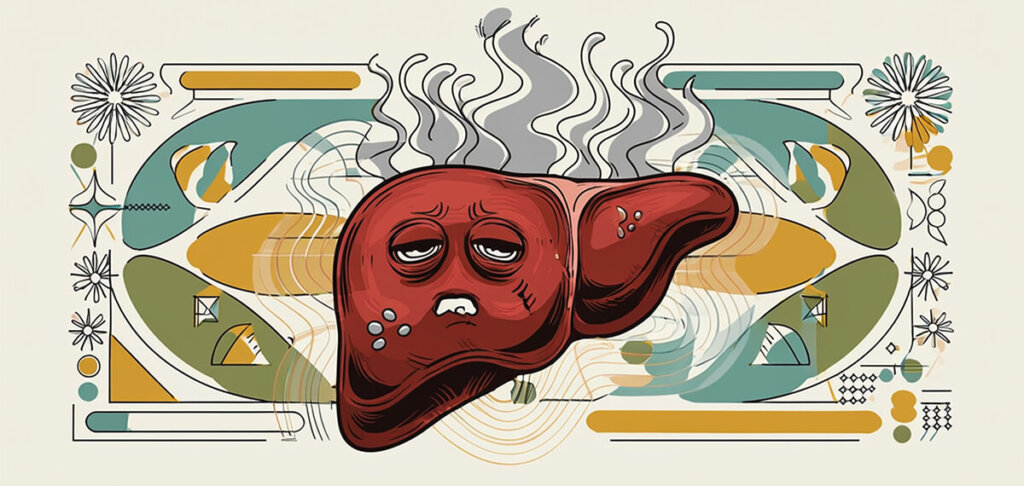
What Alcohol Does to Your Oxygen Levels
Here is the piece most hangover articles skip entirely: alcohol is extremely oxygen-hungry. This is at the heart of why oxygen for hangovers makes biological sense.
Your liver handles over 90% of the alcohol you drink.5 The enzymes the liver relies on need oxygen to do their job. In particular, the CYP2E1 enzyme is worth noting. It is the same one responsible for oxidative stress described in Cause 2, and it kicks in during heavier drinking. It also burns through oxygen while producing damaging free radicals as a byproduct.3
Research has found that alcohol consumption drives up the liver’s oxygen demand significantly. The result is a real, measurable oxygen shortage in the cells most responsible for alcohol breakdown.6 In one animal study, the liver’s oxygen consumption increased by 159% in alcohol-fed subjects compared to controls.7 What this means for your hangover is clear. The cells most responsible for breaking down alcohol end up working in an oxygen-depleted environment — precisely when they need oxygen most.8
Additionally, research suggests that alcohol can reduce hemoglobin’s ability to carry oxygen. This means your red blood cells may be less effective at delivering oxygen throughout your body while alcohol is in your system.9
The bottom line: your liver is working harder than almost any other time. Your red blood cells are less effective at delivering oxygen throughout your body, and the whole system is running on less oxygen than it needs.
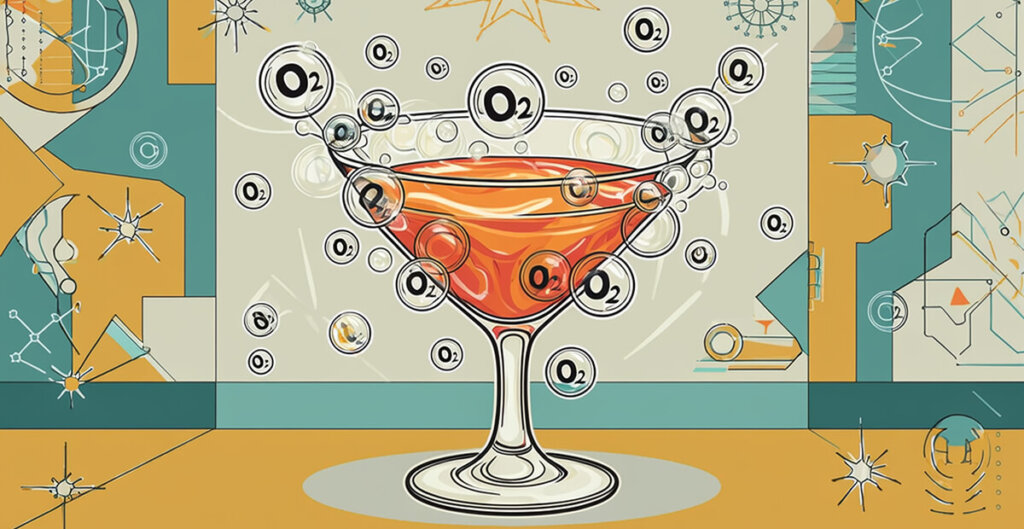
The Oxygen-Metabolism Connection: What the Research Shows About Oxygen for Hangovers
Several lines of research point to the same conclusion — that oxygen availability directly affects how fast alcohol clears from the body.
A study published in Alcoholism: Clinical and Experimental Research gave 49 healthy volunteers drinks with different levels of dissolved oxygen. Researchers then tracked how quickly their blood alcohol cleared. Participants who drank the higher-oxygen versions reached a zero blood alcohol concentration (BAC) 20 to 27 minutes faster. Those who drank the standard lower-oxygen versions cleared much more slowly. The researchers concluded that the liver’s key enzymes require oxygen to break down alcohol, and that more available oxygen speeds up that process.10
A follow-up study by the same team found that drinking oxygenated water alongside alcohol also helped clear BAC faster. Combining oxygen-enriched alcoholic drinks with oxygenated water on the side produced the fastest elimination rate of all three combinations tested.11
More recently, a 2025 study in Scientific Reports examined the connection between overnight oxygenation and alcohol metabolism. Researchers looked at sleep apnea patients who used CPAP therapy after drinking. CPAP keeps the airway open during sleep, which significantly improves the body’s overnight oxygen levels. The research found that CPAP significantly reduced acetaldehyde levels by 21.2% compared with those without CPAP. The researchers noted that acetaldehyde breakdown is especially oxygen-dependent, and that poor overnight oxygenation may slow the clearance of alcohol’s most toxic byproduct.12
Together, these findings point to a clear biological principle: oxygen controls how fast the body can clear alcohol. The science behind oxygen for hangovers is not theoretical — human clinical trials have tested and confirmed it. When oxygen is in short supply, alcohol and acetaldehyde linger longer. When more oxygen is available, the body clears them faster.

What Actually Helps with a Hangover
So what actually helps when you are hungover? The honest answer is that there is no one single fix. A hangover has six causes — which means to feel better quickly, you have to attack it on multiple fronts.
Water
Water is widely recommended and helps with thirst, dry mouth, and some of the headache. However, research suggests that dehydration does not predict how bad a hangover will be, and that water alone does not address all six causes.1
Food
Food is one of the most talked-about hangover remedies — and timing matters more than most people realize. Eating a substantial meal before drinking, particularly one that includes fat and protein, slows alcohol absorption and lowers peak BAC. The morning after, carbohydrate-rich foods are the most evidence-backed choice — alcohol disrupts the liver’s ability to regulate blood sugar, and carbs help restore it. The greasy breakfast many people crave may feel good, but the carbohydrates in it are doing most of the work.1
Electrolytes
Electrolytes are a popular hangover remedy, and the logic seems reasonable — alcohol flushes out sodium and potassium, and electrolytes replace them. Sports drinks and electrolyte packets are widely marketed for exactly this purpose. However, a large clinical trial found that electrolyte drinks did not improve overall hangover symptoms compared to water alone. The research suggests that when it comes to hangovers, plain water works just as well.
Sleep and Time
Sleep and time form the foundation of hangover recovery. Your body needs time to clear acetaldehyde, calm the inflammatory response, and restore normal oxygen levels. No remedy works in isolation. Everything we’ve talked about works better when you also rest and give your body time to work through all six causes.1
Oxygen
Oxygen differs from most of these because it acts at the metabolic level. Rather than masking symptoms, it supports the biological process your body is already working through.

What Doesn’t Work — And Why
Clinical research has tested some of the most popular hangover remedies — and they come up short. Understanding why they don’t work actually reinforces why targeting the real causes of a hangover — including oxygen for hangovers — is what matters most.
Activated Charcoal
Activated Charcoal is widely marketed as a way to absorb toxins and prevent a hangover, but it has no meaningful effect. A human clinical study found no significant difference in alcohol absorption whether or not participants took activated charcoal. The reason is straightforward: your body absorbs alcohol into the bloodstream within minutes. By the time you take charcoal, even immediately after drinking, your digestive system has already absorbed the alcohol. There is nothing left for the charcoal to work on.13
B Vitamins
B Vitamins are commonly recommended, and the logic sounds reasonable — alcohol depletes B vitamins, so replenishing them should help. However, there are two very different situations to consider. For an occasional drinker who is otherwise well-nourished, a single night of drinking does not create a genuine B vitamin deficiency. There is no good clinical evidence that taking B vitamins the morning after improves hangover symptoms. For chronic heavy drinkers, the picture is different. Long-term heavy drinking interferes with the body’s ability to absorb and store B vitamins, and genuine deficiencies can develop over time. In that case, replenishing B vitamins addresses a real nutritional need — but that is a separate issue from treating a hangover.1
NAC (N-Acetyl Cysteine)
NAC (N-Acetyl Cysteine) is a supplement sold in health food stores and pharmacies, commonly taken for liver and antioxidant support. The idea behind using it for hangovers is straightforward. Alcohol metabolism depletes glutathione, and the body uses NAC to make glutathione — the antioxidant that neutralizes the free radicals we discussed in Cause 2. When glutathione is low, those free radicals are left unchecked, damaging cell membranes, attacking DNA and proteins, and contributing to a hangover’s flu-like symptoms. In theory, taking NAC should help replenish glutathione and keep those free radicals in check. Despite this logical connection, two independent randomized controlled trials found no significant improvement in hangover severity compared to placebo.14 A plausible mechanism is not the same as an effective treatment.
Hair of the Dog
Hair of the Dog — drinking more alcohol to relieve a hangover is perhaps the oldest hangover remedy in existence. It’s true that continuing to drink does provide temporary relief, but only because by re-elevating blood alcohol levels it delays the hangover rather than treating it. Once you stop drinking, the hangover returns — this time often worse. Research also links the continued use of this practice over time to an increased risk of alcohol dependence.15

Oxygen for Hangovers: The Overlooked Factor
Most hangover advice is about symptom management. Drink water for thirst. Eat toast for nausea. Take ibuprofen for the headache. These approaches are not wrong — but they treat the effects rather than the cause.
Oxygen works at a deeper level. Your liver’s ability to break down acetaldehyde — the compound most responsible for how awful a hangover feels — depends directly on oxygen availability. That is what makes oxygen for hangovers a fundamentally different approach from symptom management.12 Research consistently shows that supporting your body’s oxygen supply helps your liver clear acetaldehyde faster. It also helps break down alcohol more efficiently.6,10
Using oxygen to support recovery is not a new idea. Athletes, military personnel, and healthcare workers have used supplemental oxygen for recovery for decades — and oxygen for hangovers fits naturally on that same list. The research now gives us a biological explanation for why oxygen for hangovers can be added to that list.
Also Consider
If you are looking for additional support with oxygen for hangovers, OxygenSuperCharger™ is a bio-available liquid oxygen supplement that provides stabilized oxygen directly to the body. You can read more about the clinical research supporting ASO® technology on our Research and Studies page.
References
- Palmer E, et al. Alcohol hangover: underlying biochemical, inflammatory and neurochemical mechanisms. Alcohol and Alcoholism. 2019;54(3):196–203. PMC. https://pubmed.ncbi.nlm.nih.gov/30916313/
- Zakhari S. Overview: how is alcohol metabolized by the body? Alcohol Research & Health. 2006;29(4):245–254. NIH. https://pmc.ncbi.nlm.nih.gov/articles/PMC6527027/
- van de Loo AJAE, et al. The inflammatory response to alcohol consumption and its role in the pathology of alcohol hangover. Journal of Clinical Medicine. 2020;9(7):2081. PMC. https://pmc.ncbi.nlm.nih.gov/articles/PMC7408936/
- Leung TM, Nieto N. CYP2E1 and oxidant stress in alcoholic and non-alcoholic fatty liver disease. Journal of Hepatology. 2013;58(2):395–398. PMC. https://pmc.ncbi.nlm.nih.gov/articles/PMC9312216/
- Teschke R. Alcoholic liver disease: alcohol metabolism, cascade of molecular mechanisms, cellular targets, and clinical aspects. Biomedicines. 2018;6(4):106. PMC. https://pmc.ncbi.nlm.nih.gov/articles/PMC6316574/
- Nishimura M, Teschke R. Alcohol and its metabolites: implications for liver hypoxia. Alcohol and Alcoholism. 2012;47(5):469–475. PMC. https://pmc.ncbi.nlm.nih.gov/articles/PMC8303854/
- Nanji AA, et al. Incomplete compensation of enhanced hepatic oxygen consumption in rats with alcoholic centrilobular liver necrosis. Hepatology. 1989;9(2):302–306. PubMed. https://pubmed.ncbi.nlm.nih.gov/2912830/
- Thurman RG, et al. Is hypoxia involved in the mechanism of alcohol-induced liver injury? Toxicological Sciences. 1984;4(2):125–133. https://academic.oup.com/toxsci/article-abstract/4/2part1/125/1688830
- Kelbaek H, et al. Effects of alcohol on sympathetic activity, hemodynamics, and chemoreflex sensitivity. Hypertension. 1997;29(6):1278–1284. https://www.ahajournals.org/doi/10.1161/01.HYP.29.6.1278
- Baek IH, Lee BY, Kwon KI. Influence of dissolved oxygen concentration on the pharmacokinetics of alcohol in humans. Alcoholism: Clinical and Experimental Research. 2010;34(5):834–839. PubMed. https://pubmed.ncbi.nlm.nih.gov/20201925/
- Kwon KI, et al. Effect of dissolved oxygen in alcoholic beverages and drinking water on alcohol elimination in humans. Korean Journal of Physiology and Pharmacology. 2012;16(6):443–448. PubMed. https://pubmed.ncbi.nlm.nih.gov/23084029/
- Kim J, et al. Enhanced alcohol metabolism and sleep quality with continuous positive airway pressure following alcohol consumption. Scientific Reports. 2025;15:13842. PMC. https://pmc.ncbi.nlm.nih.gov/articles/PMC12037736/
- Minocha A, et al. Activated charcoal in oral ethanol absorption: lack of effect in humans. Journal of Toxicology: Clinical Toxicology. 1986;24(3):225–234. PubMed. https://pubmed.ncbi.nlm.nih.gov/3723647/
- Saedisomeolia A, et al. N-Acetylcysteine ineffective in alleviating hangover from binge drinking: a clinical study. PMC. 2024. https://pmc.ncbi.nlm.nih.gov/articles/PMC11360226/
- Stephens R, et al. Hangover and risk for alcohol use disorders: existing evidence and potential mechanisms. Current Drug Abuse Reviews. 2014;7(2). PMC. https://pmc.ncbi.nlm.nih.gov/articles/PMC4264051/

-
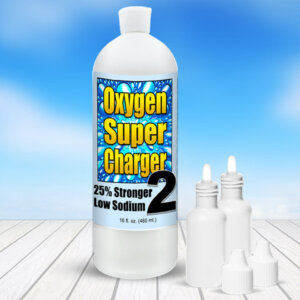
Ultra Strength OxygenSuperCharger2, 25% Stronger, 16–Ounce Bottle
$119.97 Add to cart -
Ultra Strength OxygenSuperCharger2, 25% Stronger, 2–Ounce (Sample Size)
$35.97 Add to cart -
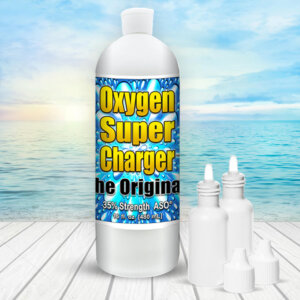
Original 35% Strength OxygenSuperCharger, 16–Ounce Bottle
$96.97 Add to cart -
Original 35% Strength OxygenSuperCharger, 2–Ounce (Sample Size)
$27.97 Add to cart -
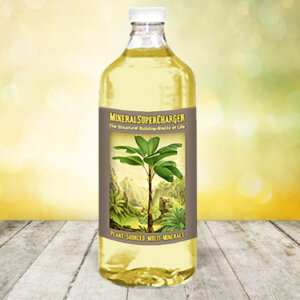
MineralSuperCharger, Premium Multi-Mineral Supplement, 32-Ounce Quart
$98.97 Add to cart -
MineralSuperCharger, Premium Multi-Mineral Supplement, 8-Ounce (Sample Size)
$29.97 Add to cart -
Zinc – Plant-Sourced Mineral Concentrate, 16-ounce
$24.97 Add to cart -
O4 Nasal Spray with Zinc
$14.97 Add to cart