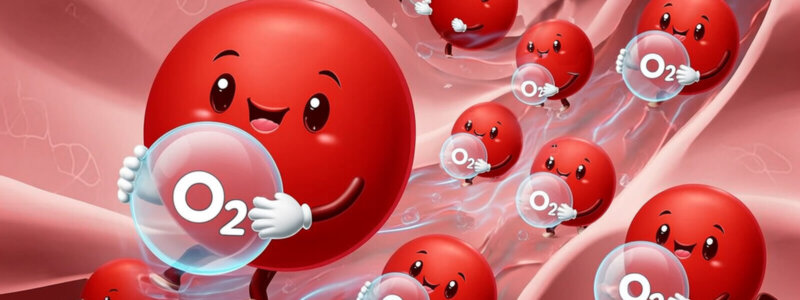
Body pH Balance: The Hidden Factor Behind Your Health and Energy

Most people learn about pH in a chemistry class and never think about it again. However, body pH balance is one of the most tightly regulated values in the human body — and for good reason. When it shifts even slightly outside its normal range, the consequences ripple through nearly every system the body relies on.
What pH Actually Means
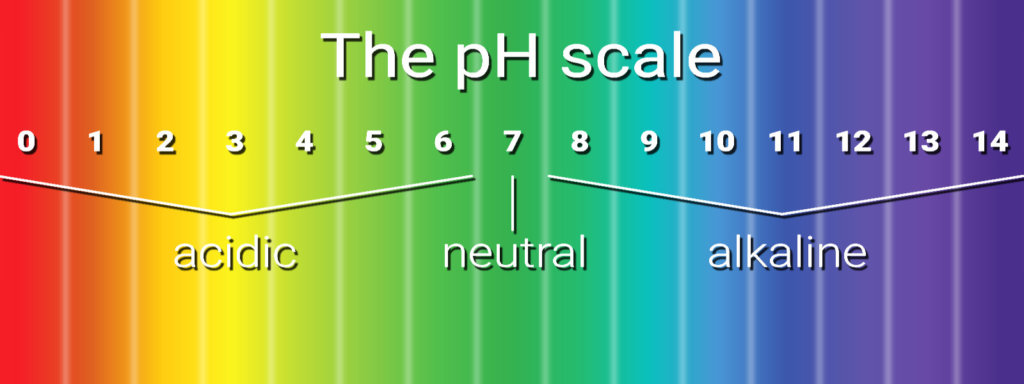
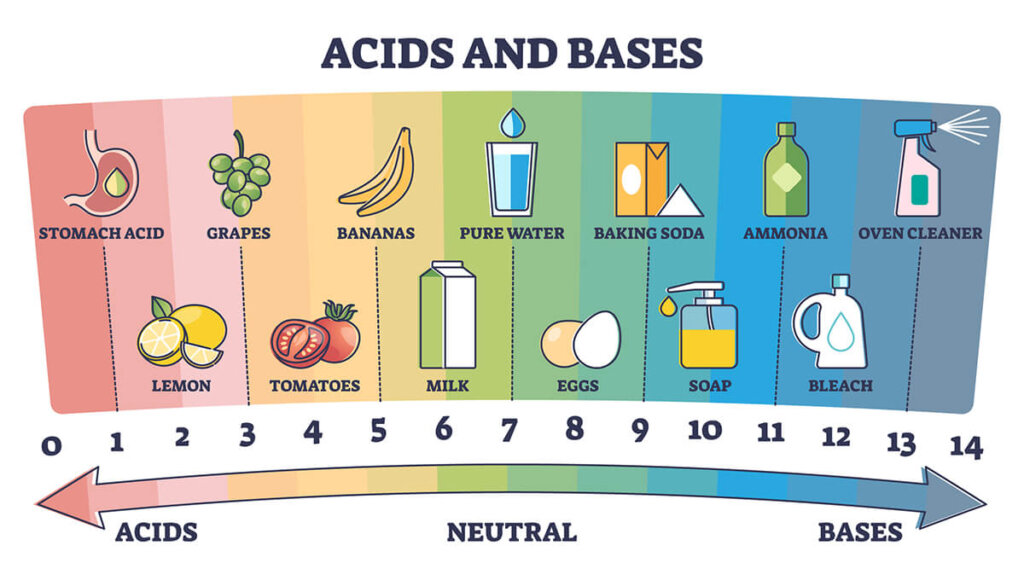
pH is a measure of how acidic or alkaline a substance is. The scale runs from 0 to 14. A pH of 7 is neutral. Values below 7 are acidic, and values above 7 are alkaline, also called basic. Most people know that things like lemon juice are acidic and baking soda is alkaline. However, what is less widely understood is that the cells and fluids inside the body also have pH values. Maintaining those values within specific ranges is critical to normal function.
Why Body pH Balance Matters
Human blood operates within a very narrow pH range of 7.35 to 7.45 — slightly alkaline. NIH’s StatPearls confirms that maintaining body pH balance within this range is not arbitrary. Many of the body’s enzyme-driven processes depend on it. Enzymes are the proteins that drive virtually every chemical reaction in the body. Because pH affects how enzymes work, a shift outside the normal range can disrupt digestion, energy production, immune function, and more.¹
Furthermore, a review published in the British Journal of Anaesthesia notes that alterations in pH have a profound effect on physiological function throughout the body. This effect is felt not just in the blood, but at the cellular level.² In other words, pH is not a niche concern. It is a foundational condition for normal biology.
The body does not leave pH to chance. It uses several systems to maintain a stable blood pH. The lungs adjust breathing rate to regulate carbon dioxide levels. The kidneys filter and excrete acids or retain bicarbonate as needed. These compensatory systems work constantly in the background. However, they can be stressed by chronic dietary patterns, illness, or other factors over time.

What Happens When pH Shifts
When blood pH falls below 7.35, the condition is called acidosis. When it rises above 7.45, it is called alkalosis. Both extremes are associated with serious health consequences. Understanding body pH balance means recognizing that acidosis itself comes in two forms. Respiratory acidosis occurs when the lungs cannot remove enough carbon dioxide from the body. Metabolic acidosis, by contrast, results from dietary, digestive, or kidney-related factors. This article focuses on the metabolic kind — specifically the milder, chronic form that can develop gradually from dietary patterns over time. This is a state where the body’s acid load is consistently high. Importantly, it can occur without crossing the threshold for clinically recognized acidosis.
A review published in NIH/PMC found that a diet high in acid-forming foods — particularly protein and phosphorus — can predispose the body to a range of health issues over time. This is especially true when those foods come at the expense of alkaline-forming foods like fruits, vegetables, and minerals. These include reduced bone mineral density and loss of muscle mass. Kidney stone formation is also documented, as is increased risk of high blood pressure and type 2 diabetes.³ Importantly, this research is about dietary patterns over time — not about any single meal or supplement.

pH and Bone Health
One of the clearest documented effects of chronic dietary acidosis involves bone. When the body needs to neutralize excess acid, it draws on calcium stored in bone as a buffer. A study published in NIH/PMC found that chronic metabolic acidosis triggers bone resorption — the breakdown of bone tissue. It also suppresses osteoblasts, the cells that build new bone. Over time, this contributes to reduced bone mineral density.⁴ Research published in PubMed confirms that neutralizing dietary acid load is associated with skeletal calcium retention and decreased bone resorption. This suggests that dietary pH balance may have meaningful implications for long-term bone health.⁵

pH and Muscle Function
pH also plays a direct role in how well muscles work. During intense exercise, the body produces lactic acid as a byproduct of energy production. As lactic acid accumulates, pH inside muscle cells drops. A review published in NIH/PMC confirms that this drop in pH suppresses muscle contraction. It is a primary reason muscles fatigue during high-intensity effort.⁶ Furthermore, chronic metabolic acidosis is associated with muscle mass loss over time, a finding confirmed in multiple published studies.⁵
pH and Cancer Cell Research
Research has also examined the relationship between pH and cancer cell behavior. A 2020 study published in NIH/PMC found that cancer cells tend to create an acidic environment around themselves. That acidic microenvironment appears to support tumor progression. Specifically, researchers found that pH dysregulation may not simply be a byproduct of cancer cell activity. It may actively contribute to tumor development and spread.⁷ This is an active area of research in oncology. However, it is important to note that this research describes what happens in cancer cell environments. It does not establish that diet or supplements prevent or treat cancer.
Diet and Body pH Balance
The foods we eat influence how much acid the body has to process and neutralize. Protein-rich foods, processed grains, and sugary foods tend to be acid-forming. By contrast, most fruits, vegetables, and mineral-rich foods are alkaline-forming. A study published in NIH/PMC found that a diet higher in fruits and vegetables and lower in processed foods and animal protein is associated with a more alkaline internal environment.⁸ The research consistently points to dietary variety and a strong foundation of whole plant foods as the most practical way to support healthy pH over time. This does not mean eliminating protein — it means balance.
OxygenSuperCharger™ and Body pH Balance
One practical aspect of body pH balance worth noting is that not all oxygen supplements are equal in this regard. Many older-technology stabilized oxygen products have a highly alkaline pH — in some cases above 13. That makes them caustic and potentially harmful to tissue. They require dilution before use for this reason.
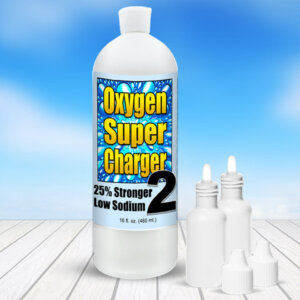
OxygenSuperCharger™ has a pH of approximately 7.4 — the same as the ideal blood pH range. This means it is neither acidic nor caustic. It is safe to take directly without dilution, and its pH is consistent with the body’s own chemistry. That is not a coincidence. It is a result of the manufacturing process that produces bio-available oxygen without the chemical salts used in old-technology products.
You can read more about how OxygenSuperCharger™ is made and the research behind it on our Research and Studies page.
References
- Physiology, Acid Base Balance. NIH StatPearls. https://www.ncbi.nlm.nih.gov/books/NBK507807/
- Acid–base balance: a review of normal physiology. British Journal of Anaesthesia Education. NIH/PMC. https://pmc.ncbi.nlm.nih.gov/articles/PMC9482868/
- Diet-Induced Low-Grade Metabolic Acidosis and Clinical Outcomes: A Review. NIH/PMC. https://www.ncbi.nlm.nih.gov/pmc/articles/PMC5490517/
- Effects of acid on bone. NIH/PMC. https://pmc.ncbi.nlm.nih.gov/articles/PMC9133222/
- Effects of acidogenic diet forms on musculoskeletal function. PubMed. https://pubmed.ncbi.nlm.nih.gov/21170891/
- Importance of pH Homeostasis in Metabolic Health and Diseases. NIH/PMC. https://www.ncbi.nlm.nih.gov/pmc/articles/PMC4180894/
- The Interplay of Dysregulated pH and Electrolyte Imbalance in Cancer. NIH/PMC. https://www.ncbi.nlm.nih.gov/pmc/articles/PMC7226178/
- Effect of a novel dietary supplement on pH levels of healthy volunteers. NIH/PMC. https://www.ncbi.nlm.nih.gov/pmc/articles/PMC4643844/
Nothing on this site is medical advice. If you have concerns about your pH balance or overall health, consult a qualified healthcare professional.

-
Ultra Strength OxygenSuperCharger2, 25% Stronger, 16–Ounce Bottle
$119.97 Add to cart -

Ultra Strength OxygenSuperCharger2, 25% Stronger, 2–Ounce (Sample Size)
$35.97 Add to cart -

Original 35% Strength OxygenSuperCharger, 16–Ounce Bottle
$96.97 Add to cart -

Original 35% Strength OxygenSuperCharger, 2–Ounce (Sample Size)
$27.97 Add to cart -

MineralSuperCharger, Premium Multi-Mineral Supplement, 32-Ounce Quart
$98.97 Add to cart -

MineralSuperCharger, Premium Multi-Mineral Supplement, 8-Ounce (Sample Size)
$29.97 Add to cart -

Zinc – Plant-Sourced Mineral Concentrate, 16-ounce
$24.97 Add to cart -

O4 Nasal Spray with Zinc
$14.97 Add to cart