Oxygen Deficiency: Causes, Symptoms, and How to Restore Healthy Oxygen Levels

Most people assume that breathing automatically means their body has enough oxygen. The truth is more complicated. You can breathe consistently and still operate at a meaningful oxygen deficit — one that affects your energy, focus, digestion, and overall sense of well-being. Understanding why oxygen deficiency happens and what you can do about it is the purpose of this article.
Can You Breathe and Still Have an Oxygen Deficiency?
Yes. Breathing brings oxygen into your lungs, but several factors determine how much of that oxygen actually reaches your cells. The air you breathe, the food you eat, your activity level, and even your breathing habits all influence how much usable oxygen your body has available at any given moment.
Consider the numbers. Research on ancient ice cores from Arctic layers shows that the oxygen trapped in prehistoric air bubbles contained roughly 50% of the oxygen. Around a century ago, that figure had declined to approximately 38%. Scientists estimate pre-Industrial Revolution levels were around 32%. Today, average atmospheric oxygen levels sit at roughly 21% — and in heavily industrialized or densely populated urban areas, they can drop as low as 10%. Scientists consider 7% the threshold below which human life becomes unsustainable.
Even at normal atmospheric concentrations, the oxygen available to your cells depends on far more than what’s in the air outside. The air inside your home or office is part of the equation too — and it’s often worse than you’d expect. A building inspector conducting a home oxygen test documented an indoor oxygen level of 19.3% — already 1.6% below outdoor air levels, before accounting for any additional combustion or pollutant sources inside the building. That gap sounds small, but its effect is not. When oxygen levels decline, other gases must fill the space. A drop of just 1.6% in oxygen requires approximately 80,000 parts per million of other gases to replace it. In other words, something essential leaves, and something potentially harmful takes its place.
What Oxygen Deficiency Actually Means
Clinically, the medical community uses the term hypoxia to describe inadequate oxygen delivery to tissues. Blood oxygen concentration normally hovers around 96%. When it declines significantly below that threshold, physical symptoms begin to emerge.
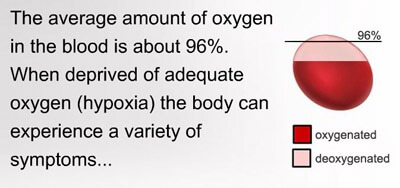
The medical community identifies several categories of oxygen deficiency:
Cerebral hypoxia refers to decreased oxygen supply to the brain despite adequate blood flow. Brain cells begin to die within approximately five minutes of oxygen deprivation — making the brain the organ most sensitive to oxygen loss.
Generalized hypoxia occurs when the entire body experiences reduced oxygen availability, typically due to low atmospheric oxygen, respiratory impairment, or conditions that reduce the blood’s ability to carry and deliver oxygen.
Symptoms of Oxygen Deficiency
Your body signals an oxygen deficiency in several ways. Common symptoms include:
- Fatigue and overall body weakness
- Memory loss and difficulty concentrating
- Dizziness and lightheadedness
- Depression and irritability
- Muscle aches and pains
- Poor digestion and stomach acid issues
- Circulation problems
- Bronchial difficulties
If you experience any of these symptoms, consult a physician. Only a medical professional can assess the severity of oxygen deficiency and determine its underlying cause.
Why We Become Oxygen Deficient
Oxygen deficiency rarely has a single cause. It typically results from a combination of factors — some environmental, some lifestyle-related, and some physiological.

The Air We Breathe
Atmospheric oxygen levels have declined steadily as industrialization has advanced. Air pollution and carbon monoxide in cities reduce the amount of available oxygen and introduce contaminants your body must process. Red blood cells have a much higher affinity for toxins like carbon monoxide than for oxygen — they absorb carbon monoxide in preference to oxygen in order to remove it from the body through exhalation. When red blood cells carry toxins, they carry less oxygen. The result is a compounding effect: polluted air delivers less oxygen, and the oxygen-transport system works less efficiently at the same time.
Indoor air quality presents its own challenge. Most people spend a majority of their time indoors, where oxygen levels are typically 0.5% to 1.0% lower than in outdoor air — even without additional combustion sources like a gas range.

The Food We Eat
Highly processed foods contribute to oxygen deficiency in ways most people don’t consider. Processing strips foods of the enzymes, fiber, water, and oxygen naturally present in whole foods. High saturated fat content and excess sugar increase the body’s acid load, which in turn requires more oxygen to process and neutralize. When the digestive system demands extra oxygen, it draws from the same reserves other systems need — the brain, muscles, and cardiovascular system among them.
Diets high in processed foods also impair red blood cells’ ability to carry oxygen efficiently. The body compensates by storing fat rather than burning it, since fat burning requires oxygen that the body doesn’t have to spare. This is one reason low energy and difficulty managing weight sometimes go hand in hand.

Alcohol and Smoking
Alcohol metabolism is oxygen-intensive. Research published by the NIH confirms that alcohol metabolism causes oxygen deficits (hypoxia) in the liver, and that liver cells must take up more oxygen than normal from the blood to process alcohol. The liver draws that oxygen from the bloodstream, leaving less available for other functions. 1
Cigarette smoking compounds this further. According to NIH StatPearls and PMC research, carbon monoxide from cigarette smoke binds to hemoglobin with an affinity approximately 200 times greater than oxygen. This dramatically reduces the blood’s oxygen-carrying capacity with every cigarette. 2,3

High Altitude
At higher elevations, the atmosphere has lower oxygen concentrations. The body adapts over time, but in the short term — whether mountain climbing, flying, or visiting cities at elevation — the reduced oxygen availability produces measurable effects on energy, cognitive function, and physical performance.

Medical Conditions
Heart and lung conditions rank among the most common medical causes of oxygen deficiency. The heart pumps oxygenated blood to the body’s tissues; the lungs extract oxygen from the air and transfer it to the blood. When either system functions below capacity, oxygen delivery suffers. If you have concerns about oxygen levels related to a medical condition, work with your physician to address the underlying cause.

Sedentary Lifestyle
Physical inactivity reduces the efficiency with which the body uses and transports oxygen. Exercise — even moderate daily movement — causes the body to breathe more deeply and frequently, delivering more oxygen to the bloodstream and training the cardiovascular system to deliver it more efficiently over time. A sedentary lifestyle does the opposite: shallow breathing, reduced circulation, and less efficient oxygen uptake become the baseline.
How to Restore Healthy Oxygen Levels
The good news is that many of the factors contributing to oxygen deficiency respond well to straightforward lifestyle changes.

Move more. Daily physical activity is the single most effective way to improve oxygen uptake and delivery. You don’t need a gym membership. Taking stairs instead of elevators, walking after meals, parking farther away, doing yard work, and building short walks into your workday all add up. The goal is consistent movement throughout the day, not one intense session.

Breathe more deeply. Most people breathe shallowly — using only the upper chest rather than the full capacity of the lungs. Diaphragmatic breathing, which draws air deep into the abdomen, moves significantly more oxygen into the lungs with each breath. Building a habit of deep breathing is one of the simplest and most immediate ways to increase the amount of available oxygen. We cover specific breathing techniques in our article on free ways to boost oxygen levels.

Improve your diet. Eating more fresh, whole foods and fewer processed ones reduces the oxygen demand your digestive system places on the body. Fresh vegetables, fruits, whole grains, seeds, and nuts are oxygen-abundant foods that support rather than deplete your body’s oxygen reserves.

Improve your air quality. Keep live plants indoors — they produce oxygen and absorb carbon dioxide. Open windows for at least a few minutes daily to exchange stale indoor air. If you live in a heavily polluted area, be aware that indoor air quality may require active attention.

Stay well hydrated. Water molecules (H₂O) contain oxygen, and adequate hydration supports the efficient circulation and delivery of oxygen to tissues.

Reduce or eliminate smoking. Given the dramatic effects of carbon monoxide on red blood cell function, reducing cigarette exposure directly and measurably improves oxygen availability.
Also Consider: OxygenSuperCharger™
For those who want supplemental support beyond lifestyle changes, OxygenSuperCharger™ offers a safe, non-toxic way to periodically increase the oxygen available in your bloodstream. It is not a substitute for breathing, nor for addressing the underlying causes of oxygen deficiency. It is a dietary supplement — a way to give your body a measurable additional supply of bio-available oxygen.
OxygenSuperCharger™ has a neutral pH of approximately 7.4, contains no hydrogen peroxide or caustic chemicals, and requires no dilution. You can take it directly under the tongue or add it to water.
For a full explanation of how it works and what the clinical research shows, see our Research page and our complete guide to liquid oxygen drops.
View all products in our shop →
References
- Zakhari S. “Overview: How Is Alcohol Metabolized by the Body?” Alcohol Research & Health. 2006;29(4):245–254. PMC. https://pmc.ncbi.nlm.nih.gov/articles/PMC6527027/
- “Carboxyhemoglobin Toxicity.” StatPearls. NIH/NCBI. https://www.ncbi.nlm.nih.gov/books/NBK557888/
- Bose C, et al. “Interaction of p-benzoquinone with hemoglobin in smoker’s blood causes alteration of structure and loss of oxygen binding capacity.” Toxicology Reports. 2016. PMC. https://pmc.ncbi.nlm.nih.gov/articles/PMC5615826/
NOTE: Information on this website is provided for educational purposes only and is not intended to prescribe treatment of any medical condition. Statements made on this website have not been evaluated by the FDA. These products are not intended to treat, diagnose, cure, or prevent any disease or medical condition and are sold as dietary supplements only. Consult with a qualified medical professional before taking any dietary supplement, especially if you are pregnant, nursing, or under a doctor’s care.

-
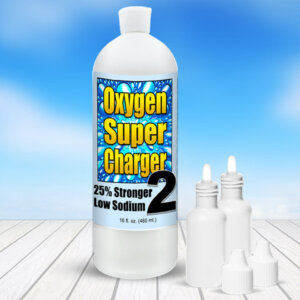
Ultra Strength OxygenSuperCharger2, 25% Stronger, 16–Ounce Bottle
$119.97 Add to cart -
Ultra Strength OxygenSuperCharger2, 25% Stronger, 2–Ounce (Sample Size)
$35.97 Add to cart -
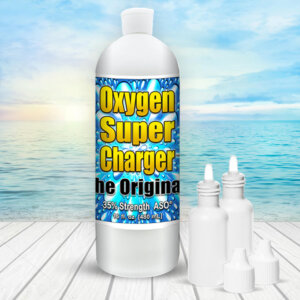
Original 35% Strength OxygenSuperCharger, 16–Ounce Bottle
$96.97 Add to cart -
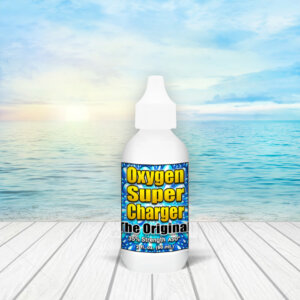
Original 35% Strength OxygenSuperCharger, 2–Ounce (Sample Size)
$27.97 Add to cart -

MineralSuperCharger, Premium Multi-Mineral Supplement, 32-Ounce Quart
$98.97 Add to cart -

MineralSuperCharger, Premium Multi-Mineral Supplement, 8-Ounce (Sample Size)
$29.97 Add to cart -

Zinc – Plant-Sourced Mineral Concentrate, 16-ounce
$24.97 Add to cart -

O4 Nasal Spray with Zinc
$14.97 Add to cart