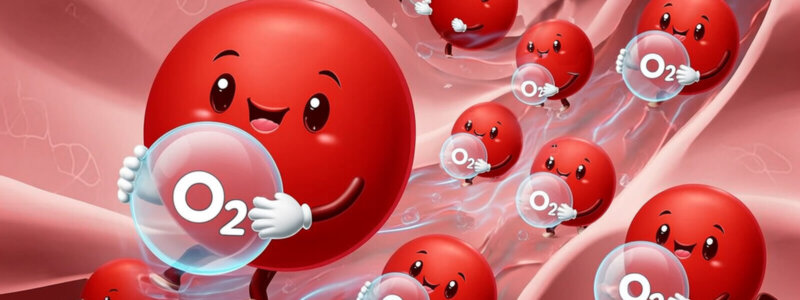
Oxygen and Weight Loss: The Surprising Science Behind Every Pound You Lose

Most people pursuing weight loss focus on food and exercise. Oxygen and water rarely enter the conversation — yet the science of oxygen and weight loss is both fascinating and surprisingly practical. Oxygen and weight loss connect in ways most of us have never heard of. The same is true for water, though not always in the ways wellness culture suggests. This article covers what the research actually shows about water, oxygen, and weight loss. It clears up a handful of persistent myths and offers a few evidence-based strategies — practical steps that reflect what the science of oxygen and weight loss actually supports.

Where Does Fat Actually Go When You Lose Weight?
The most common answer is that fat converts into energy or heat. That answer is wrong. A 2014 study in the British Medical Journal found that most doctors, dietitians, and personal trainers got it wrong, too.
It all starts with triglycerides — the stored form of fat. Triglycerides are molecules built from three types of atoms: carbon, hydrogen, and oxygen. The body cannot use them for energy directly in that form. They first have to be broken down into usable components: fatty acids and glycerol. The fatty acids then enter the cell’s mitochondria — the tiny structures responsible for converting fuel into usable energy — and burn.
To lose fat, the body must break apart those triglycerides through a process called oxidation. Oxidation requires oxygen. When a triglyceride is oxidized, it produces carbon dioxide (CO₂) and water (H₂O) as byproducts. So oxidation is not optional. It is the only pathway the body has to access and use stored fat as fuel. You cannot lose body fat without it happening.
Researchers Ruben Meerman and Andrew Brown at the University of New South Wales calculated exactly what that looks like. To completely burn 10 kilograms (22 lbs) of body fat, the body must inhale 29 kilograms (64 lbs) of oxygen. That process produces 28 kilograms (62 lbs) of carbon dioxide, which the lungs exhale, and 11 kilograms (24 lbs) of water. The body releases the water through urine, sweat, and breath.1
Their conclusion: 84 percent of every pound of fat lost exits the body as exhaled carbon dioxide. The remaining 16 percent becomes water. The lungs, Meerman and Brown wrote, are the body’s primary organ for removing fat from the body.1
You literally breathe your fat away!
It is oxygen that makes “breathing your fat away” possible. Unfortunately, this does not mean that breathing harder will cause weight loss — we will get to that myth shortly. In other words, fat oxidation is chemically inseparable from oxygen. Without adequate oxygen reaching your cells, fat metabolism suffers at its most basic level.

Oxygen and Fat Tissue: A Connection Most People Miss
The relationship between oxygen and weight loss goes beyond basic biochemistry. Research has found a second connection — one that plays out inside fat tissue itself.
As body fat builds up, fat tissue (adipocytes) expands. That expanding tissue needs more oxygen to function. The blood vessel network does attempt to grow alongside it, but it cannot always keep pace. The result is that fat tissue in people with obesity can become persistently low in oxygen. Researchers call this condition adipose tissue hypoxia.2
Studies have found that low oxygen levels in fat tissue link to higher body fat percentage. In other words, the higher the body fat, the lower the oxygen levels in fat tissue.3 That oxygen shortage does not sit there passively — it sets off a chain of metabolic problems.
When fat tissue becomes oxygen-starved, it starts producing pro-inflammatory chemicals, like cytokines and adipokines.4 The fat tissue becomes insulin-resistant and releases fatty acids into the bloodstream at a higher rate. Over time, that chronic low-grade inflammation contributes to serious metabolic disorders. These include type 2 diabetes, cardiovascular disease, and metabolic syndrome — a cluster of conditions including high blood pressure, high blood sugar, and excess abdominal fat — all of which are closely linked to obesity.4
In short, oxygen-deprived fat tissue is not just a consequence of obesity. The research on this well-documented mechanism suggests it may actively make weight loss harder. The reason is that it disrupts the metabolic conditions that fat burning depends on.2
Research in this area is actively being investigated. Researchers are still working out the mechanisms, and most of the research uses animal models or observational studies in humans. But the direction of the evidence is consistent. Adequate oxygen availability appears to play a meaningful role in how well fat tissue functions.

What Water Actually Does for Weight Loss
Water’s connection to weight loss runs deeper than hydration alone. Water is a direct byproduct of fat metabolism — produced when fat is oxidized. It also serves as a transport medium. Water carries fatty acids and other metabolic byproducts out of tissues and into circulation.
Beyond that, several well-designed clinical trials have examined whether drinking water supports weight loss. The findings are more nuanced than popular advice usually suggests, but some of the evidence is genuinely solid.
Pre-Meal Water Loading
The strongest water-related evidence involves drinking water before meals. A clinical study found that overweight women drank 500 ml (about 17 oz) of water 30 minutes before each main meal, three times per day, for eight consecutive weeks. They had significant reductions in body weight, BMI, body fat percentage, and appetite score compared to their starting levels.5
A separate review found that drinking about 500 ml (about 17 oz) before eating reduced calorie intake at that meal. It also linked weight loss of 2 to 5 additional pounds over 12 weeks to middle-aged and older adults.6 The mechanism is straightforward: water fills the stomach, triggering stretch receptors that send fullness signals to the brain.
This result is not a dramatic effect, but it is consistent and costs nothing. It requires no change to what you eat — only when you drink water.
Replacing Caloric Beverages
The most effective water-related strategy for weight loss in the research is also the simplest: replace sugary drinks with water.
A randomized controlled trial called the CHOICE study found that overweight and obese adults swapped caloric beverages for water. These were drinks providing at least 200 calories per day. They lost an average of 2 to 2.5 percent of body weight over six months, without making any other dietary changes.7
A large cohort study followed more than 15,000 adults for four years. Replacing one daily serving of sugar-sweetened soda with water was linked to a 15 percent lower risk of developing obesity over that period.8
The math is simple. A single 20-ounce soda contains roughly 240 calories. Replacing one per day with water creates a gap of over 87,000 calories per year. That is enough, in theory, to account for more than 20 pounds of body weight.
Water and Calorie Burn
A 2003 study in the Journal of Clinical Endocrinology & Metabolism found that drinking 500 ml (about 17 oz) of cold water raised resting metabolic rate by 30 percent for about 60 minutes. This effect is known as water-induced thermogenesis.9 The researchers suggested that drinking 2 liters (about 68 oz, or roughly 8 cups) of water per day could increase daily energy expenditure by roughly 100 calories. That would occur solely through this thermogenic effect.
Later research produced more cautious findings. A 2015 reassessment found smaller thermogenic effects than those reported in the original study.10 The overall evidence for water-induced thermogenesis is mixed. The caloric burn from drinking water is real but modest. Drinking cold water is best viewed as a supporting factor rather than a primary weight-loss strategy.

Four Myths About Water, Oxygen and Weight Loss Worth Clearing Up
Oxygen and water both attract more than their share of wellness mythology. Here are four that come up often in the context of weight loss — and what the research actually shows.
Myth 1: Breathing More Will Help You Lose Weight
The British Medical Journal finding shows that 84 percent of fat exits the body as exhaled CO₂. Leading some people to conclude that breathing more deeply or frequently will speed up fat loss.
It will not.
Oxygen does indeed enable fat oxidation. But… what triggers fat oxidation is a caloric deficit — the body drawing on stored fat because it needs fuel. You cannot exhale fat that has not yet been broken down. Breathing harder just moves more air. It does not release fat stores the body has no metabolic reason to burn.
Trying to breathe your way to weight loss through deliberate hyperventilation is pointless. Worse, it can cause dizziness, tingling, and fainting by disrupting the CO₂ balance in the blood.11
What actually helps is aerobic exercise. It increases genuine oxygen demand over time and is one of the most reliable ways to drive fat oxidation. More on that below.
Myth 2: Drinking Oxygenated Water Raises Blood Oxygen Levels and Burns Fat
Bottled oxygenated water is water with oxygen forced into it under pressure, similar to how carbonation works. Manufacturers market it with claims that it boosts blood oxygen and supports fat burning. The science does not support this.
The body absorbs oxygen through the lungs. There, it binds to hemoglobin in red blood cells and enters the bloodstream. Standard oxygenated water has oxygen dissolved under pressure, like carbonation. It releases that oxygen as a gas in the stomach and gut, but has little effect, if any, on the body’s oxygen levels. The amount of oxygen that could potentially be absorbed through the gut wall is trivial. McGill University’s Office for Science and Society puts it plainly: a single breath of air contains more oxygen than an entire liter of oxygenated water.12 (Note: Bio-available liquid oxygen works differently, delivering stabilized oxygen in ionic form rather than as dissolved gas — but more on that below.)
A 2020 study in the International Journal of Molecular Sciences did find that oxygenated water inhibited fat cell formation (adipogenesis) in laboratory and animal settings. It also showed some short-term effects on triglyceride levels. However, long-term consumption did not produce meaningful improvements in overall body weight or reductions in fat tissue in the animal models studied.13 The researchers noted that solid scientific evidence for the metabolic effects of oxygenated water is limited.
There is an additional practical problem. Most of the dissolved oxygen in oxygenated water products escapes into the air the moment the bottle opens — just like a carbonated beverage going flat. So the amount of oxygen actually consumed is far less than what was originally in the bottle.12
It is worth noting that not all oxygen supplements work the same way. Bio-available liquid oxygen — such as the ASO® technology used to make OxygenSuperCharger™ — uses a fundamentally different delivery mechanism than dissolved oxygen gas. Rather than relying on the digestive tract to absorb oxygen gas, bio-available liquid oxygen delivers stabilized, ionic oxygen at the cellular level. That distinction matters, and it’s explained in detail in our article on oxygenated water vs. bio-available liquid oxygen.
Myth 3: Cold Water Burns Significant Calories — and “Detox Water” Burns Even More
Cold water thermogenesis is based on a real mechanism. When cold water enters the body, it expends additional energy to warm the water to core body temperature. Unfortunately, the actual calories used are very small.
Research found that drinking water chilled to 3°C (37°F) produced only a 4.5 percent increase in energy expenditure over 60 minutes. That is the equivalent of burning roughly 5-7 extra calories.10 The claims that circulate online — that ice water burns hundreds of extra calories per day — do not reflect what the studies actually show.
As for detox water — plain water infused with lemon, cucumber, mint, or other fruit — the claims also do not hold up. Adding these tasty ingredients does not enhance weight loss, fat metabolism, or the body’s ability to eliminate toxins. The liver and kidneys continuously handle detoxification. They do not need flavored water to do that job. If infused water makes plain water more enjoyable and helps you drink more of it, that is a real benefit. But “detox water” is marketing language, not science.
Myth 4: The 8×8 Water Rule
The recommendation to drink an 8-ounce glass of water 8 times per day — 64 ounces total — is one of the most repeated pieces of wellness advice around. It claims to be the optimal daily amount for hydration, weight loss, and overall health. But there is no strong scientific evidence that says this is universally true.
A review in the Journal of the American Society of Nephrology found no clear scientific rationale for the eight-glasses rule as a universal recommendation for healthy adults.14 Individual water needs vary significantly based on body size, activity level, climate, and diet.
For weight loss, the evidence supports a more specific approach: drinking approximately 500 ml (about 17 oz) of water before each main meal. That targeted strategy has solid clinical trial support for reducing appetite and supporting modest weight loss, particularly in middle-aged and older adults.5,6
What the Research Actually Supports
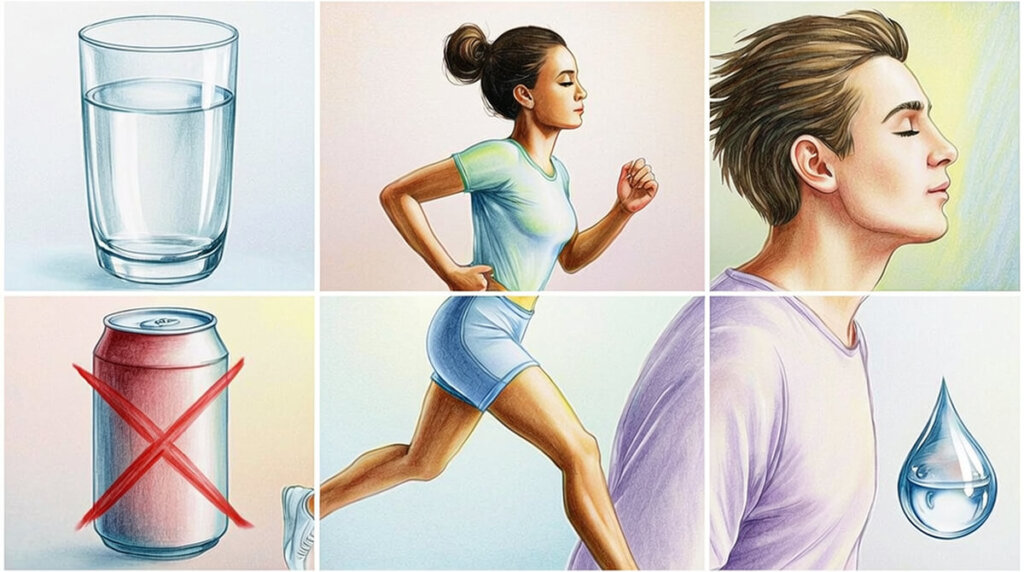
The science of oxygen and weight loss points to a few strategies with genuine research support. Here they are:
Drink water before meals. The evidence for pre-meal loading is consistent across multiple studies. About 500 ml (17 oz), roughly 30 minutes before eating, is the amount used in clinical research. This approach is a free, zero-calorie habit with documented effects on appetite and how much you eat at meals.
Replace caloric beverages with water. The CHOICE trial and the SUN cohort data both show meaningful effects from this one change. Cutting one sugary drink per day and replacing it with water is one of the most straightforward weight-reducing changes available.
Prioritize aerobic exercise. Fat oxidation depends on oxygen demand — and sustained aerobic activity is what creates that demand. Any sustained aerobic activity — brisk walking, cycling, swimming, running — increases the rate at which fat is metabolized and exhaled as CO₂. This is the real connection between breathing, oxygen, and fat loss.
Support deep breathing and manage stress. Chronic stress raises cortisol, which promotes fat storage — particularly visceral fat around the abdomen. Research has found that while diaphragmatic breathing increases oxygen levels, it also activates the parasympathetic nervous system and lowers cortisol. It may also help interrupt the cortisol-insulin cycle that drives stress-related weight gain.15 Practices such as yoga, tai chi, and dedicated breathing exercises show consistent associations with lower body fat among regular practitioners, though the mechanisms remain poorly understood.
Stay consistently hydrated. Water is not only a product of fat oxidation. It also plays a role throughout fat metabolism, including the transport of fatty acids and the elimination of metabolic byproducts. Chronic mild dehydration places added stress on the kidneys and liver — two organs central to fat metabolism and waste removal. Staying well hydrated keeps both systems running efficiently.
Also Consider
If you are looking for additional support for your body’s oxygen levels, OxygenSuperCharger™ is a bio-available liquid oxygen supplement that provides stabilized oxygen directly to the body. You can read more about the clinical research supporting ASO® technology on our Research and Studies page.
References
- Meerman R, Brown AJ. “When somebody loses weight, where does the fat go?” BMJ. 2014;349:g7257. https://www.bmj.com/content/349/bmj.g7257
- Trayhurn P, Wood IS. “Adipokines: inflammation and the pleiotropic role of white adipose tissue.” British Journal of Nutrition. 2004;92(3):347–355. PMC. https://pmc.ncbi.nlm.nih.gov/articles/PMC4408910/
- Pasarica M, Sereda OR, Redman LM, et al. “Reduced Adipose Tissue Oxygenation in Human Obesity.” Diabetes. 2009;58(3):718–725. PMC. https://pmc.ncbi.nlm.nih.gov/articles/PMC2646071/
- Trayhurn P, Alomar SY. “Oxygen Deprivation and the Cellular Response to Hypoxia in Adipocytes.” Frontiers in Endocrinology. 2015;6:19. PMC. https://pmc.ncbi.nlm.nih.gov/articles/PMC4333869/
- Vij VA, Joshi AS. “Effect of excessive water intake on body weight, body mass index, body fat, and appetite of overweight female participants.” Journal of Natural Science, Biology, and Medicine. 2014;5(2):340–344. PMC. https://pmc.ncbi.nlm.nih.gov/articles/PMC4121911/
- Dennis EA, Dengo AL, Comber DL, et al. “Water consumption increases weight loss during a hypocaloric diet intervention in middle-aged and older adults.” Obesity (Silver Spring). 2010;18(2):300–307. PMC. https://pmc.ncbi.nlm.nih.gov/articles/PMC2893348/
- Tate DF, Turner-McGrievy G, Lyons E, et al. “Replacing caloric beverages with water or diet beverages for weight loss in adults.” American Journal of Clinical Nutrition. 2012;95(3):555–563. PMC. https://pmc.ncbi.nlm.nih.gov/articles/PMC3632875/
- Perez-Cornago A, Zulet MA, Martinez JA. “Substitution Models of Water for Other Beverages, and the Incidence of Obesity and Weight Gain in the SUN Cohort.” Nutrients. 2016;8(12):778. PMC. https://pmc.ncbi.nlm.nih.gov/articles/PMC5133076/
- Boschmann M, Steiniger J, Hille U, et al. “Water-Induced Thermogenesis.” Journal of Clinical Endocrinology & Metabolism. 2003;88(12):6015–6019. https://academic.oup.com/jcem/article/88/12/6015/2661518
- Vosselman MJ, van Marken Lichtenbelt WD, Schrauwen P. “Water-induced thermogenesis and fat oxidation: a reassessment.” Nutrition & Diabetes. 2016;6(1):e207. PMC. https://pmc.ncbi.nlm.nih.gov/articles/PMC4735055/
- Cleveland Clinic. “Where Does Body Fat Go When You Lose Weight?” https://health.clevelandclinic.org/where-does-body-fat-go-when-you-lose-weight
- Schwarcz J. “Is there any point in drinking oxygenated water?” McGill University Office for Science and Society. 2022. https://www.mcgill.ca/oss/article/health-and-nutrition-you-asked/there-any-point-drinking-oxygenated-water
- Lin C, Wu C, Hung T, et al. “Oxygenated Water Inhibits Adipogenesis and Attenuates Hepatic Steatosis in High-Fat Diet-Induced Obese Mice.” International Journal of Molecular Sciences. 2020;21(15):5493. PMC. https://pmc.ncbi.nlm.nih.gov/articles/PMC7432369/
- Negoianu D, Goldfarb S. “Just Add Water.” Journal of the American Society of Nephrology. 2008;19(6):1041–1043. https://jasn.asnjournals.org/content/19/6/1041
- Ma X, Yue ZQ, Gong ZQ, et al. “The Effect of Diaphragmatic Breathing on Attention, Negative Affect and Stress in Healthy Adults.” Frontiers in Psychology. 2017;8:874. PMC. https://pmc.ncbi.nlm.nih.gov/articles/PMC5455070/

-
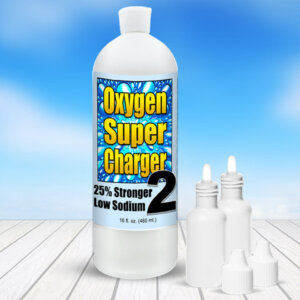
Ultra Strength OxygenSuperCharger2, 25% Stronger, 16–Ounce Bottle
$119.97 Add to cart -
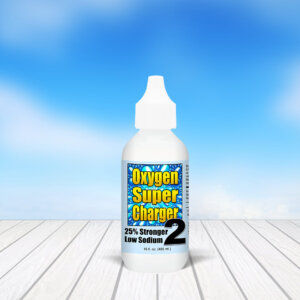
Ultra Strength OxygenSuperCharger2, 25% Stronger, 2–Ounce (Sample Size)
$35.97 Add to cart -
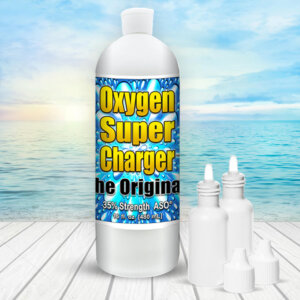
Original 35% Strength OxygenSuperCharger, 16–Ounce Bottle
$96.97 Add to cart -
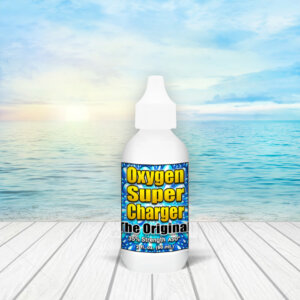
Original 35% Strength OxygenSuperCharger, 2–Ounce (Sample Size)
$27.97 Add to cart -

MineralSuperCharger, Premium Multi-Mineral Supplement, 32-Ounce Quart
$98.97 Add to cart -

MineralSuperCharger, Premium Multi-Mineral Supplement, 8-Ounce (Sample Size)
$29.97 Add to cart -
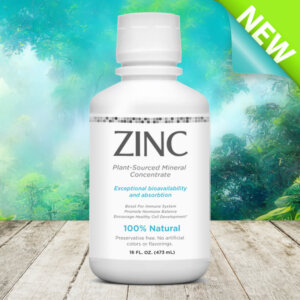
Zinc – Plant-Sourced Mineral Concentrate, 16-ounce
$24.97 Add to cart -

O4 Nasal Spray with Zinc
$14.97 Add to cart