Altitude Sickness and Oxygen: What to Know Before You Go

You don’t have to be scaling a 14,000-foot peak to feel the effects of higher-than-usual elevations. Most people have heard of altitude sickness and oxygen being used to address it. But even moderate increases in elevation can affect how you feel — sometimes well below what most people would call altitude sickness. Flying into Denver, driving over a mountain pass, or spending a week skiing in Park City, Utah, can all put you in that territory. So can piloting a small plane through the Rockies.
Knowing why it happens — and what you can do — makes the difference between a miserable trip and a good one.
Why Altitude Affects How You Feel
The air at high elevation contains the same percentage of oxygen as at sea level — always 21%, whether you’re in Miami or at 14,000 feet. What changes is air pressure. As you go higher, air pressure drops, and that matters more than most people realize.
Here’s why. The transfer of oxygen from your lungs into your bloodstream depends on pressure. Oxygen molecules need to be at a higher pressure inside your lungs than in the blood vessels surrounding them — that pressure difference is what pushes oxygen across the thin membrane between the two. Think of it like a garden hose at full pressure versus a trickle. The water is the same, but far less of it gets where it needs to go.
Even at higher altitudes, the air entering your lungs still contains 21% oxygen. But there isn’t enough pressure behind it to push as much of it into your bloodstream.
You might wonder — if your whole body is at altitude, why doesn’t blood pressure drop too, evening things out? Your heart generates your blood pressure internally, independent of the outside air. Your cardiovascular system is a closed loop. As your heart pumps blood through your vessels under its own pressure, it’s doing it independent of what the atmosphere is doing around you. So when air pressure drops at altitude, your blood vessel pressure stays roughly the same — because your heart is still pumping just as hard.
That’s precisely what creates the problem. The pressure in your lungs falls with the outside air, but the pressure in your blood vessels doesn’t fall to match. The gap between the two — the pressure differential that drives oxygen across the lung membrane — gets smaller, and oxygen transfer becomes less efficient with every breath. At 8,000 feet, you’re getting roughly 25% less oxygen per breath than at sea level. Your body tries to compensate by breathing faster and raising your heart rate to make up the difference.1,2

When the Body Can’t Keep Up
Most healthy people adjust to moderate altitude within a few days. But when you ascend faster than your body can keep up, the result is acute mountain sickness (AMS) — the most recognizable form of altitude sickness and oxygen deprivation at elevation.1
In rare cases, AMS can turn into something more serious. High-altitude cerebral edema (HACE) affects the brain, and high-altitude pulmonary edema (HAPE) affects the lungs. Both need immediate descent and medical care. For most travelers, though, what they run into is standard AMS — unpleasant, but manageable.
Who Gets Altitude Sickness?
Almost anyone can. AMS is rare below 8,000 feet. However, nearly everyone who quickly reaches 11,000 feet will experience some symptoms.3 Being fit doesn’t protect you. An elite athlete is just as vulnerable as a casual hiker if they go up too fast. Susceptibility is partly genetic — meaning some people are more prone to it than others, regardless of fitness level. But even without a known predisposition, your past experience at altitude is the best clue to how your body will handle it.4
Common symptoms include headache (the most reliable sign), fatigue even at rest, nausea or no appetite, dizziness, and trouble sleeping. These are the hallmark signs of altitude sickness and oxygen falling short of what your body needs. Symptoms usually appear within hours of arriving at altitude and, in most cases, resolve on their own within a day or two as your body acclimatizes.3

Where Altitude Catches People Off Guard
Most people think of altitude sickness as a mountaineering problem. But altitude sickness and oxygen reduction affect far more everyday travelers than most realize.
High-altitude cities. Denver sits at 5,280 feet. Santa Fe is at 7,000 feet. Park City, Utah, is above 7,000 feet. People flying in from coastal cities often feel it within hours of landing — headache, fatigue, and a rough first night’s sleep are common.
Ski resorts. Many major ski areas in the American West sit at elevations between 9,000 and 11,000 feet. That’s well within the range where AMS becomes likely if you arrive and immediately push hard on the slopes. First-time visitors are especially at risk.
Mountain passes and road trips. Driving through the Rockies often means crossing passes above 10,000 feet. Colorado’s Loveland Pass reaches nearly 12,000 feet. Many people drive through without stopping and feel fine — but symptoms can show up hours later.
Non-pressurized aircraft. Small general aviation planes are typically unpressurized. FAA regulations allow pilots to fly up to 12,500 feet without supplemental oxygen for limited periods. Research on recreational pilots in unpressurized aircraft found that altitude significantly reduced blood oxygen saturation and raised heart rate.5 These are changes worth staying on top of in the cockpit. A published review also found pilots reporting that portable supplemental oxygen improved clarity and night vision during mountain flights in small planes.6
Hiking and backpacking. Many trails in Western parks climb above 10,000 feet. Gaining a lot of elevation in a single day — especially starting from sea level — is one of the quickest ways to bring on AMS symptoms.
Resort workers and mountain guides. Staff who work all season at high elevation adjust over time. But even seasoned workers can feel symptoms when they return after time spent at a lower elevation.

What Actually Helps
Go up gradually
Slow ascent is the single most effective way to prevent altitude sickness. Research recommends gaining no more than 1,600 to 2,000 feet per day once you’re above 8,000 feet, with a rest day every few days.7 If you’re heading to a high-altitude city, arriving a day or two before any strenuous activity gives your body a head start.
Drink water consistently
At altitude, your body loses more fluid than usual — faster breathing and drier air both pull moisture from your body faster than you might expect. Research shows that altitude dulls your sense of thirst, so it’s easy to get behind on fluids without knowing it.8 Drink throughout the day, before you feel thirsty, not after.
Go easy on alcohol, especially the first day.
Alcohol slows your breathing — the last thing you need when your body is already working to get enough oxygen. The CDC recommends skipping alcohol for the first 48 hours at high altitude.4 That’s worth keeping in mind at ski resorts, where a drink after skiing sounds appealing but hits harder when your body is still adjusting.
Take it easy on day one
Pushing hard the moment you arrive forces your body to demand more oxygen right when it’s least able to supply it. A lighter first day gives your system time to catch up. Try a short walk instead of a full ski run, or an easy trail instead of a summit push. The rest of the trip will be better for it.
Come down if symptoms get worse
Altitude sickness symptoms that are severe or continue to get worse are a signal to go lower. Even dropping 1,000 to 2,000 feet often brings relief. Trying to tough it out when experiencing severe symptoms at a high elevation is the wrong move.

How Supplemental Oxygen Fits In
Supplemental oxygen has a clear role in managing altitude sickness and oxygen deficiency at elevation. Oxygen rooms at ski resort spas, emergency oxygen for serious HACE and HAPE cases, and portable canned oxygen carried by travelers and pilots all work on the same idea. Breathing more oxygen raises your blood oxygen level and eases symptoms.7
Liquid oxygen supplements like OxygenSuperCharger™ work differently. They don’t deliver a flow of inhaled oxygen to the lungs the way a tank or canister does. Instead, they provide bio-available stabilized oxygen that the body can use at the cellular level. To be clear: liquid oxygen supplements are not a substitute for oxygen tanks or the continuous oxygen therapy used in medical emergencies. They work best as a complement to good acclimatization habits — gradual ascent, hydration, and rest. For travelers heading to high-altitude destinations, many choose to add cellular oxygen support alongside those habits as part of their overall preparation.
To understand more about why your body depends on oxygen at every level, see How Oxygen Works in the Body: Energy, Cells, and Survival. For a closer look at what happens when oxygen levels fall short, see Oxygen Deficiency: Causes, Symptoms, and How to Restore.

-
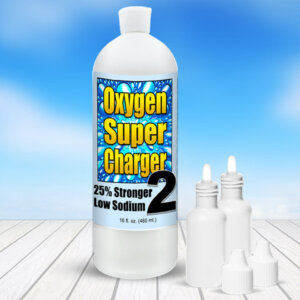
Ultra Strength OxygenSuperCharger2, 25% Stronger, 16–Ounce Bottle
$119.97 Add to cart -
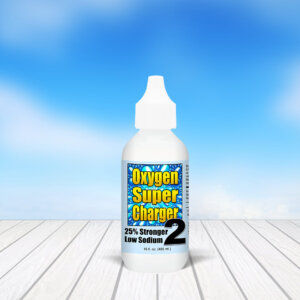
Ultra Strength OxygenSuperCharger2, 25% Stronger, 2–Ounce (Sample Size)
$35.97 Add to cart -
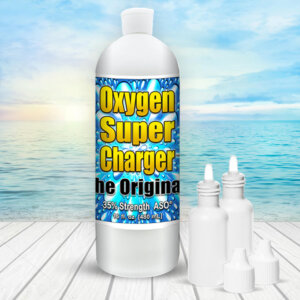
Original 35% Strength OxygenSuperCharger, 16–Ounce Bottle
$96.97 Add to cart -
Original 35% Strength OxygenSuperCharger, 2–Ounce (Sample Size)
$27.97 Add to cart -

MineralSuperCharger, Premium Multi-Mineral Supplement, 32-Ounce Quart
$98.97 Add to cart -
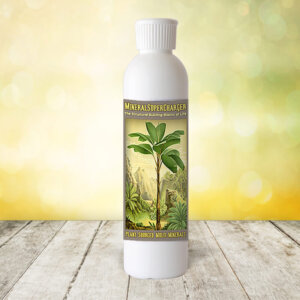
MineralSuperCharger, Premium Multi-Mineral Supplement, 8-Ounce (Sample Size)
$29.97 Add to cart -

Zinc – Plant-Sourced Mineral Concentrate, 16-ounce
$24.97 Add to cart -
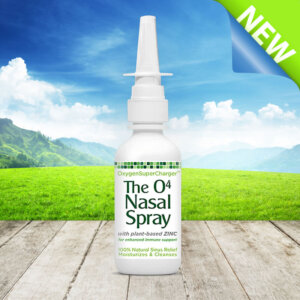
O4 Nasal Spray with Zinc
$14.97 Add to cart