Oxygen and Jet Lag: What Every Traveler Should Know

If you have ever stepped off a long flight feeling exhausted, foggy, and out-of-sync with the world around you, you already know what jet lag feels like. Many assume it has something to do with lost sleep — which is partially true. The reality is more complicated — and more interesting. Jet lag disrupts your sleep, your metabolism, your digestion, your hormones, and your energy at the cellular level. Oxygen and jet lag are more closely connected than most travelers ever realize.
What Jet Lag Actually Is
Jet lag is not just tiredness. It is a temporary but real conflict between your body’s internal clock and the external world you have landed in.
Every cell in your body runs on a roughly 24-hour cycle called a circadian rhythm. Circadian literally means “about a day.” These rhythms control when you feel alert, when you feel sleepy, when your digestion is active, and when your body temperature peaks. They also govern when hormones like cortisol and melatonin are released. Cortisol is your body’s alertness hormone. It rises in the morning to wake you up and falls at night to let you sleep. Melatonin works in the opposite direction. It rises in the evening to signal that it is time to rest and falls in the morning as daylight arrives.
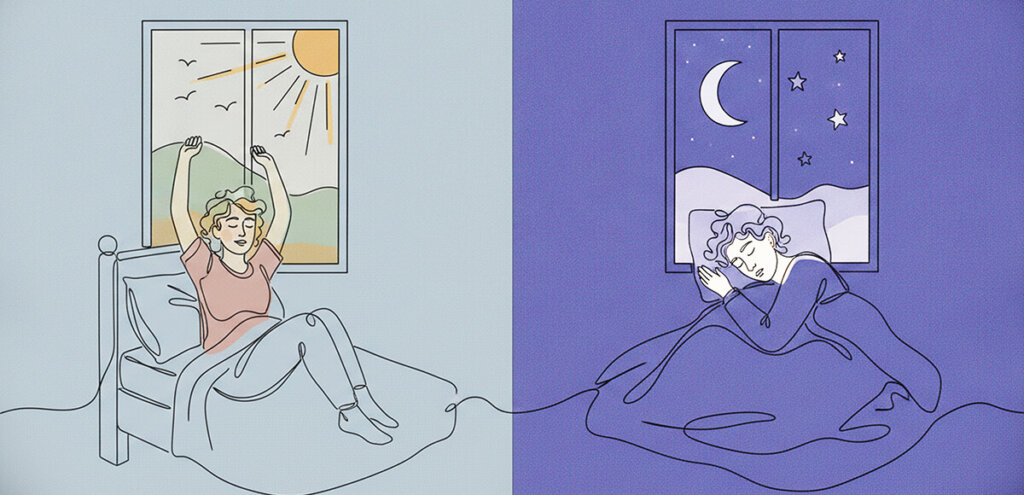
Our circadian whole-body timekeeping system is coordinated by a master clock deep in the brain. This is a small structure in the hypothalamus called the suprachiasmatic nucleus, or SCN. The SCN receives direct signals from the eyes in response to light. It uses that information to keep every system in your body in sync with the local day-night cycle. The SCN acts as the conductor, keeping dozens of secondary clocks throughout the body — such as those in the liver, the digestive system, and the heart — all running in sync.1
When you fly across time zones, your body moves faster than your internal clock can follow. The SCN remains tuned to the rhythms of where you were living. Your body expects darkness, sleep, low cortisol, and rising melatonin. But the clock on the wall at your destination says it is two in the afternoon. Every system the SCN normally coordinates is now out of step with both your environment and each other. That conflict is jet lag.2

Why Eastward Travel Hits Harder
Not all jet lag is equal. Traveling east is consistently harder than traveling west, and there’s a biological reason.
Your internal clock does not run on a perfect 24-hour cycle. In most people, it runs slightly longer — closer to 24.2 hours on average. That gives your body a natural tendency to drift toward staying up a little later each night. Westward travel works with that drift. You are extending your day, which is what your body already wants to do. Eastward travel forces the opposite. It compresses your day and requires your clock to shift earlier than it naturally would. The body resists that shift, and adjustment takes longer.3
As a general rule, the circadian system re-synchronizes at roughly one time zone per day when traveling east. Traveling west, recovery runs about one and a half time zones per day.4 Cross six time zones heading east, and you may be looking at nearly a week to fully catch up.
What Jet Lag Does to Your Body
Jet lag affects far more than sleep. Research has confirmed that when you experience circadian misalignment, disruptions occur across multiple body systems.
A 2024 study from the University of Surrey and the University of Aberdeen had fourteen participants experience a five-hour delay in their sleep and meal timing, simulating crossing time zones. Researchers found that the shift led to measurable changes in blood sugar levels, fat processing, and the rate at which the stomach emptied after meals. The body also burned less energy digesting food than it normally would.5
For the test subjects, the metabolic effects largely resolved within two to three days. But disruption to the brain’s master clock — measured through sleepiness, alertness, and sleep quality — had not recovered even after five days. The researchers concluded that the body’s secondary clocks, which govern metabolism, are more flexible than the master clock in the brain. The master clock takes considerably longer to realign.5
Jet lag also disrupts cortisol rhythms. Cortisol normally peaks in the morning to promote alertness and then declines throughout the day. Studies have found that flights crossing six or more time zones can throw that cortisol pattern significantly out of alignment. Both mental performance and physical recovery can suffer for days after landing.6
Jet lag affects the immune system as well. Circadian rhythms govern immune function. Disrupting them — even temporarily — can reduce the body’s ability to respond to pathogens. This is one reason frequent long-distance travelers are more susceptible to illness. The days right after a major trip are when the immune system is most vulnerable.7
What Is Happening Inside the Cabin
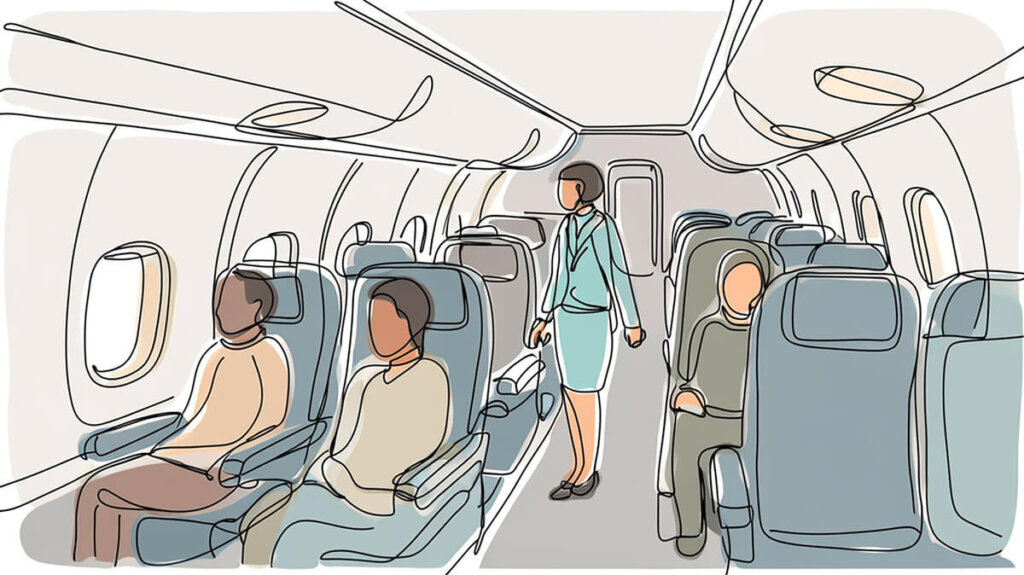
Before jet lag even begins, the flight itself places real physiological demands on your body. Oxygen is central to that story.
Commercial aircraft cruise at around 35,000 feet (10,700 meters). At that altitude, atmospheric pressure is so low that each breath delivers only about a quarter of the oxygen molecules you would get at sea level. Without compensation, passengers would lose consciousness within minutes. To restore breathable air, the cabin is pressurized: engines pump compressed air into the sealed fuselage, creating an environment dense enough to support human physiology. Full sea-level pressure is not possible — maintaining it would dramatically shorten the fuselage’s life and increase fuel consumption. So the system splits the difference, pressurizing to an equivalent altitude of 6,000 to 8,000 feet, depending on the aircraft. Federal regulations require that cabin pressure not exceed the equivalent of 8,000 feet (2,438 meters) above sea level.8
Even at that regulated level, passengers breathe air with roughly 25% less oxygen than they would get on the ground.8 Your blood still carries oxygen throughout the flight, so you are not in danger. But your body must work harder than usual to maintain normal cellular function. For a short trip, the effect is minor. As the number of time zones crossed increases, so do the symptoms. The sustained reduction in cabin oxygen partly explains the headaches, fatigue, and general sense of heaviness that many passengers report.
Humidity is another factor. Indoor air humidity typically ranges between 30% and 65% at ground level. By comparison, cabin air is extremely dry. The humidity on most aircraft ranges from only 10% to 20%. Every time you exhale, your breath releases moisture, and the dry recycled air draws more from your skin and airways. Even mild dehydration — as little as 1% to 2% — can affect energy levels and mental clarity. This compounds the effects you are already experiencing because of reduced oxygen availability.9
The Dreamliner Difference
The connection between cabin oxygen and passenger well-being is not just theoretical. It has shaped how modern aircraft are built.
Boeing’s 787 Dreamliner, which entered service in 2011, uses a carbon-fiber composite fuselage. Composite materials can withstand higher internal pressure than traditional aluminum. That structural advantage allowed Boeing to pressurize the 787’s cabin to the equivalent of the air pressure at 6,000 feet (1,800 meters) rather than the standard 8,000 feet. The result is a significant increase in the amount of oxygen available to passengers on long flights.
A study by Oklahoma State University, funded by Boeing and published in the New England Journal of Medicine, found that after a simulated 20-hour flight at the standard 8,000-foot cabin altitude, passenger blood oxygen saturation dropped by an average of 4.4%.10 Which doesn’t sound like much until you put it in context. Normal blood oxygen saturation ranges from 95% to 100%. A drop to 92%–94% is mild hypoxemia — a below-normal level of oxygen in the blood — and warrants medical attention. That 4.4% average drop moves passengers meaningfully toward the need for medical attention.
The Airbus A350 adopted a similar approach to the Boeing 787 Dreamliner. Both aircraft are widely reported to reduce passenger fatigue and headaches on long routes. This is consistent with the body having more oxygen available throughout the journey.
The Emerging Science: Oxygen, Jet Lag, and the Body Clock
Researchers have long known that light is the main signal the SCN uses to set the body’s clocks. But recent studies have revealed that oxygen plays a surprisingly important role in the timing of the circadian rhythm. This is one that scientists are only beginning to understand.
The story starts with a discovery that may seem obvious once you hear it, but had not been carefully measured before: oxygen levels in the body naturally rise and fall on a daily cycle. Researchers at the Weizmann Institute of Science in Israel, led by Dr. Gad Asher, found that this daily oxygen rhythm appears to be one of the signals our circadian clocks use to stay synchronized.11
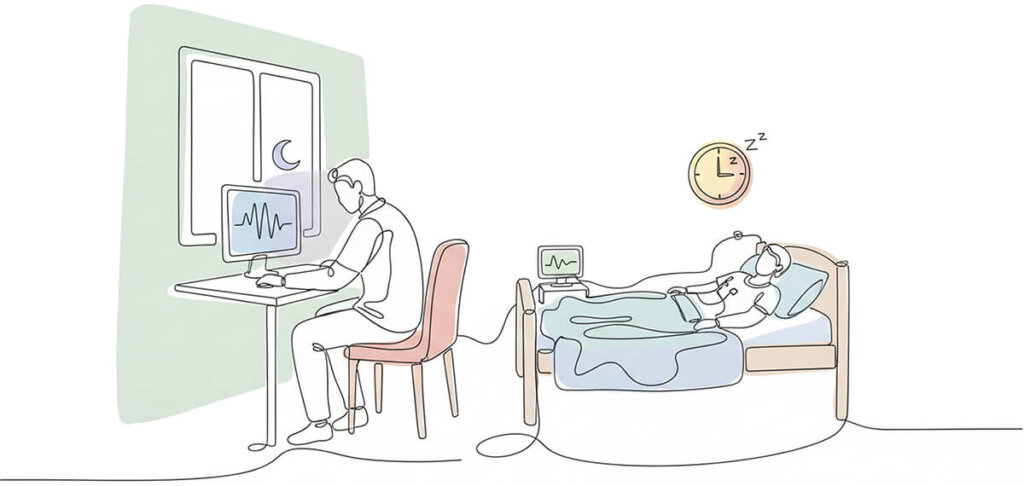
To test whether that oxygen rhythm could directly influence the clock, the team conducted experiments in mice. They found that mice undergoing a simulated time zone shift adjusted to their new schedule significantly faster when researchers altered oxygen levels, compared with mice with no oxygen adjustments.11
This was animal research. Whether the same mechanism operates in humans, and whether it could be used to ease jet lag, remains an open question. But the finding established something important — oxygen rhythm is part of the biological machinery the body uses to keep time.
What Human Studies Are Beginning to Show
Ongoing research is exploring whether the relationship between oxygen and jet lag also applies to humans.
A randomized controlled study published in a peer-reviewed journal found that a single nighttime exposure to moderately reduced oxygen levels in healthy adults advanced the onset of melatonin secretion by a small but measurable amount.12 Melatonin onset is a key marker of circadian rhythm timing.
A separate exploratory study conducted in 2025, not yet fully peer-reviewed, took a similar approach, involving 15 participants who simulated a 4-hour jet lag scenario. As part of the study design, researchers compared oxygen exposure against light therapy and melatonin interventions. The oxygen exposure produced a modest advance in circadian rhythm timing of about 35 minutes — a promising signal, though it did not reach statistical significance. By comparison, a combination of light therapy and melatonin supplements advanced the clock by 78 minutes, a statistically significant result.13
Both studies suggest that oxygen availability can influence the timing of circadian rhythms in humans. Researchers are still working out what that means for practical jet lag management, but the connection is real and credible.
Supporting Your Body Through Travel
While the science of oxygen, jet lag, and the body clock continues to develop, there is a great deal already known about how to support your body before, during, and after long air travel.
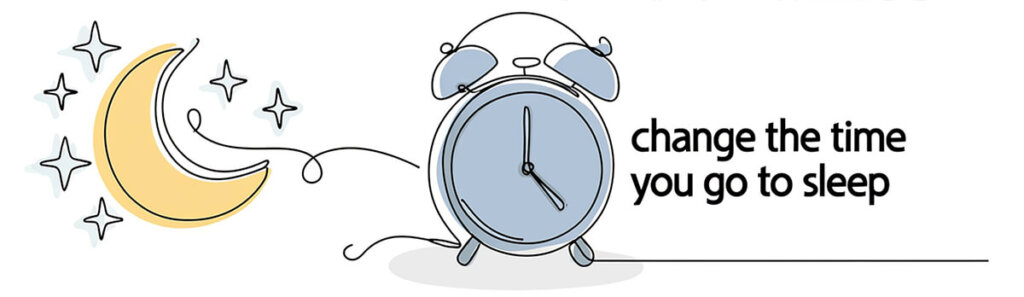
Before you fly: If possible, start shifting your sleep schedule a few days before departure. Traveling east, go to bed an hour or two earlier each night. Traveling west, stay up a little later. Even small adjustments before you leave give your clock a head start.9
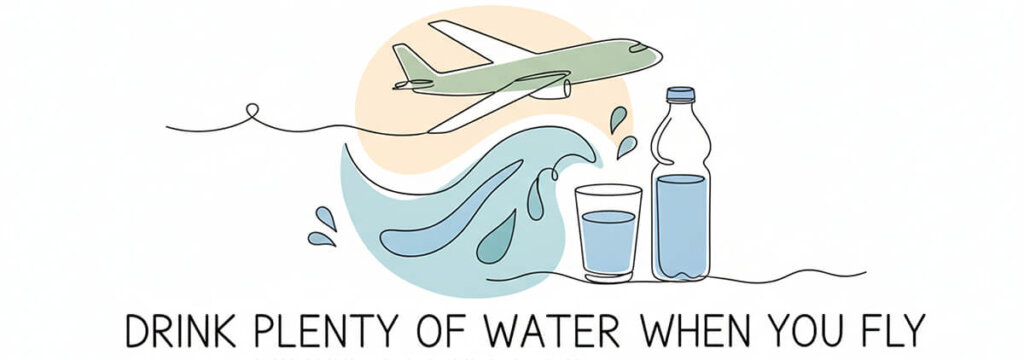
During the flight: Hydration matters more than most people realize. Low cabin humidity and reduced oxygen availability both cause your body to work harder, which can increase jet lag symptoms later on. Drink water consistently throughout the flight. Avoid alcohol — which disrupts sleep and worsens dehydration — and limit caffeine in the hours before you plan to sleep on board.9
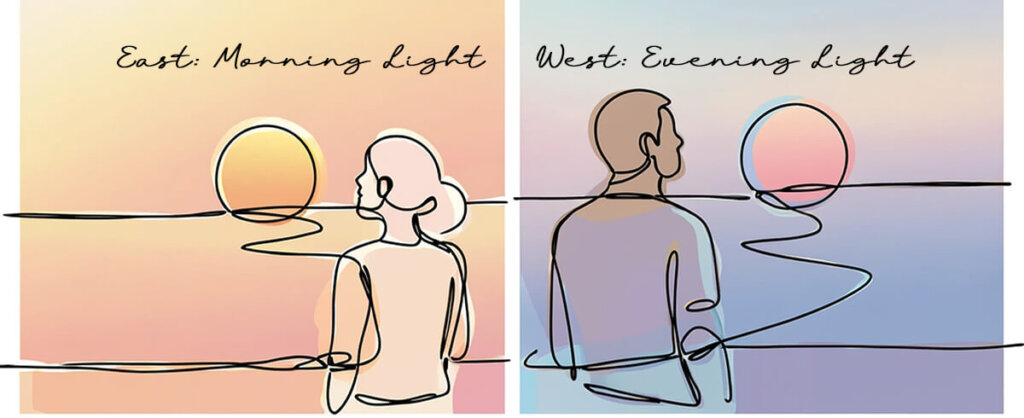
Light exposure after landing: Light is the most powerful tool for resetting the body clock. Eastward travelers benefit from the morning light at their destination, which helps them set their clocks forward. Westward travelers benefit from evening light, which helps delay it. Avoiding light at the wrong times matters as much as getting it at the right times. For instance, when traveling east, avoid bright phone, computer, and TV screens late at night, as these can delay your circadian clocks from adjusting.14
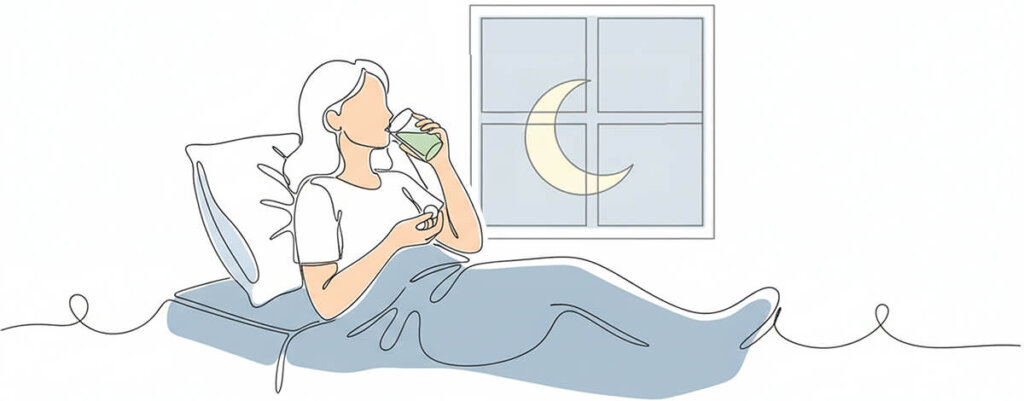
Melatonin: Melatonin is the supplement with the strongest scientific support for jet lag. Taken at the destination’s local bedtime for the first few nights after an eastward flight, melatonin can help speed clock adjustment. Timing matters — melatonin taken at the wrong time of day can make adjustment harder rather than easier.14
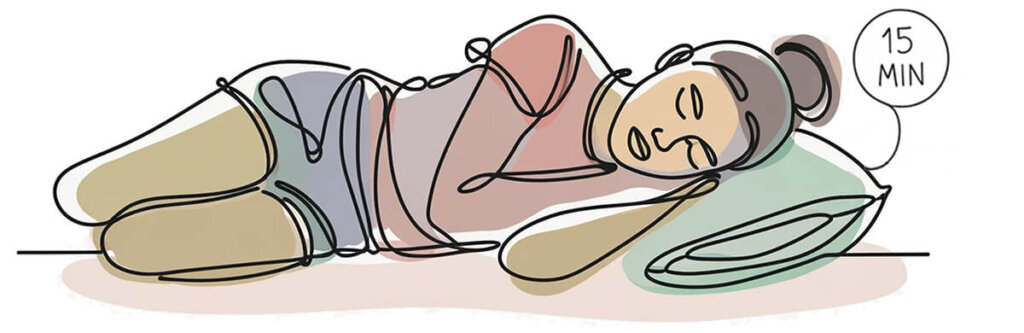
Naps: Short naps of fifteen to twenty minutes can help manage daytime fatigue without interfering with nighttime sleep. Longer naps make it harder to sleep at night and can slow the adjustment process.9
Oxygen and Cellular Energy During Recovery
Jet lag is exhausting in part because circadian disruption affects the body at the cellular level. Your mitochondria — the structures inside cells that convert oxygen and nutrients into usable energy — follow their own circadian rhythms. When the master clock is out of alignment, so is the timing of cellular energy production. The result is not just feeling tired. It is a genuine reduction in your cells’ efficiency at generating the energy your body needs to function.15
At the same time, the reduced cabin oxygen levels on a long flight mean your cells are working with less than their normal oxygen supply throughout the journey. This additional physiological stress compounds the effects of the circadian disruption on jet lag. For frequent travelers, long-distance commuters, and anyone crossing many time zones, the body is managing two overlapping stresses at once: disrupted body clocks and a less-than-optimal environment in which your cells have to function. Giving your body the oxygen it needs to produce energy efficiently is one way to support recovery during that process.
Also Consider
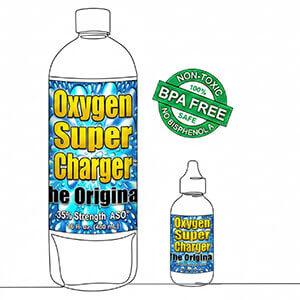
If you are looking for additional support for your body’s oxygen levels during travel and recovery, OxygenSuperCharger™ is a bio-available liquid oxygen supplement that provides stabilized oxygen directly to the body. You can read more about the clinical research supporting ASO® technology on our Research and Studies page.
References
- Bhatt DL, et al. “Neuroanatomy, Nucleus Suprachiasmatic.” StatPearls. NIH/NCBI. https://www.ncbi.nlm.nih.gov/books/NBK546664/
- Sack RL. “Jet Lag: Current and Potential Therapies.” Pharmacy and Therapeutics. 2010. PMC. https://pmc.ncbi.nlm.nih.gov/articles/PMC3086113/
- Eastman CI, Burgess HJ. “How to Travel the World Without Jet Lag.” Sleep Medicine Clinics. 2009. PMC. https://pmc.ncbi.nlm.nih.gov/articles/PMC1249488/
- MedLink Neurology. “Jet Lag Disorder.” https://www.medlink.com/articles/jet-lag-disorder
- Flanagan A, Ruddick-Collins LC, Fielding B, et al. “Jet lag: your metabolism recovers quicker than your brain.” iScience. 2024. University of Surrey press release. https://www.surrey.ac.uk/news/new-study-investigates-how-jetlag-can-disrupt-our-metabolism
- Cho K, et al. “Chronic jet lag produces temporal lobe atrophy and spatial cognitive deficits.” Nature Neuroscience. PMC. https://pmc.ncbi.nlm.nih.gov/articles/PMC3089060
- Castanon-Cervantes O, et al. “Disregulation of Inflammatory Responses by Chronic Circadian Disruption.” Journal of Biological Rhythms. 2010. PMC. https://pmc.ncbi.nlm.nih.gov/articles/PMC2974025/
- Aerospace Medical Association. “The Aircraft Cabin Environment.” PMC. https://pmc.ncbi.nlm.nih.gov/articles/PMC7152029/
- Centers for Disease Control and Prevention. “Jet Lag.” CDC Yellow Book. https://www.cdc.gov/yellow-book/hcp/travel-air-sea/jet-lag-disorder.html
- Muhm JM, et al. “Effect of Aircraft-Cabin Altitude on Passenger Discomfort.” New England Journal of Medicine. 2007. https://www.nejm.org/doi/full/10.1056/NEJMoa062770
- Adamovich Y, Ladeuix B, Golik M, Koeners MP, Asher G. “Rhythmic Oxygen Levels Reset Circadian Clocks through HIF1α.” Cell Metabolism. 2017. https://pubmed.ncbi.nlm.nih.gov/27773695/
- Codoñer-Franch P, et al. “Resetting of the Human Circadian Melatonin Rhythm by Ambient Hypoxia.” PMC. https://pmc.ncbi.nlm.nih.gov/articles/PMC11740168/
- Exploratory study on circadian resynchronization using low oxygen exposure in humans. bioRxiv preprint. 2025. https://www.biorxiv.org/content/10.1101/2025.09.09.674331.full.pdf
- Roach GD, Sargent C. “Interventions to Minimize Jet Lag After Westward and Eastward Flight.” Frontiers in Physiology. 2019. PMC. https://pmc.ncbi.nlm.nih.gov/articles/PMC6684967/
- Manella G, et al. “Hypoxia induces a time- and tissue-specific response that elicits intertissue circadian clock misalignment.” PNAS. 2020. https://www.pnas.org/doi/10.1073/pnas.1914112117

-

Ultra Strength OxygenSuperCharger2, 25% Stronger, 16–Ounce Bottle
$119.97 Add to cart -

Ultra Strength OxygenSuperCharger2, 25% Stronger, 2–Ounce (Sample Size)
$35.97 Add to cart -

Original 35% Strength OxygenSuperCharger, 16–Ounce Bottle
$96.97 Add to cart -

Original 35% Strength OxygenSuperCharger, 2–Ounce (Sample Size)
$27.97 Add to cart -

MineralSuperCharger, Premium Multi-Mineral Supplement, 32-Ounce Quart
$98.97 Add to cart -

MineralSuperCharger, Premium Multi-Mineral Supplement, 8-Ounce (Sample Size)
$29.97 Add to cart -

Zinc – Plant-Sourced Mineral Concentrate, 16-ounce
$24.97 Add to cart -

O4 Nasal Spray with Zinc
$14.97 Add to cart