Oxygen and Heart Health: Why Every Beat Counts

The connection between oxygen and heart health is more direct than most people realize. The heart beats approximately 100,000 times a day, every day, without rest. Every one of those beats requires oxygen. Unlike other muscles that can slow down and recover between efforts, the heart never stops. And because the heart never stops, its need for oxygen never does either.
What makes the heart unique among muscles is how completely it depends on a steady oxygen supply. Other tissues can tolerate brief dips in oxygen and use backup energy pathways to compensate. The heart cannot. Unlike other muscles, the heart has no backup energy system. It needs a continuous supply of oxygen to convert fuel into energy — and without it, the heart cannot function.1 When the heart’s oxygen supply falls short, the consequences are immediate.

How the Heart Uses Oxygen
At rest, only about 4% of the blood pumped by the heart actually flows back to feed the heart muscle itself. Yet the heart accounts for roughly 10% of the body’s total oxygen consumption.2 That gap reflects just how hard the heart is working at all times.
Three things determine how much oxygen the heart needs at any given moment: how fast it beats, how forcefully it contracts, and the pressure it must work against to push blood through the body.3 When any of these rises — during exercise, stress, or illness — the heart’s oxygen demand goes up. To meet that demand, the coronary arteries widen to increase blood flow to the heart muscle.
The heart is remarkably efficient at pulling oxygen from blood. It extracts nearly 75% of the available oxygen from every unit of blood that passes through it.4 Most other tissues extract only about 25–30%. This leaves the heart with very little reserve. It cannot simply pull harder on the oxygen it already has, the way other tissues can. And, when it needs more oxygen, it must receive more blood flow — there is no other option.
When Oxygen Supply Falls Short
If the heart needs more oxygen than it is receiving, a condition called myocardial ischemia develops. The heart muscle becomes oxygen-starved, and its function begins to deteriorate quickly.5
Research has consistently found that blood oxygen saturation is a meaningful predictor of cardiac outcomes. Studies have shown that lower oxygen levels at hospital admission are associated with poorer outcomes in acute cardiac events.6 The link between adequate oxygenation and heart muscle function is well established in cardiovascular medicine.

Why Women’s Heart Health Awareness Matters
One of the most important — and most overlooked — aspects of oxygen and heart health is that heart disease does not look the same in everyone. Heart disease is the leading cause of death among women in the United States, responsible for more than 300,000 deaths per year.7 Yet for decades, women were largely excluded from major cardiovascular research trials. The symptoms most people associate with heart trouble were drawn almost entirely from studies of men.
The research gap had real consequences. A 2021 global meta-analysis found that women who arrived at the hospital with an acute heart attack had to wait longer for life-saving procedures than men. They also had up to twice the mortality rate as a result of delayed care and undertreatment.8 A 2024 study published in Circulation: Cardiovascular Quality and Outcomes drew on data from six high-income countries, including the United States. It found that hospitalized women were less likely to receive treatment and more likely to die from a severe heart attack than men. 9
Part of the problem is awareness — both among patients and providers. Research has found that women are more likely to call 911 for a friend with heart attack symptoms than for themselves. They are also less likely to report their own symptoms to a doctor.10 Studies have also found that women tend to underestimate their symptoms and attribute them to something else — a pattern that can delay treatment by hours or even days.11
Women’s Heart Attacks Present Differently Than Mens
A 2022 meta-analysis reviewing fifteen prospective studies confirmed that women’s experience of a cardiac event is genuinely different from men’s. Women are more likely to feel pain in the upper arms, shortness of breath, palpitations, nausea and vomiting, or deep fatigue — not the dramatic chest pain that media depictions of heart attacks have made familiar.12
Comedian and talk show host Rosie O’Donnell became one of the most important public voices on this subject. She suffered a major heart attack at age 50 in 2012 — and nearly missed it. O’Donnell felt pain in her arms, nausea, and clamminess. Because her symptoms didn’t match the classic picture, she Googled her symptoms, took an aspirin, and waited until the next day to see a doctor. She later learned her coronary artery had been 99% blocked. “I should have died,” she has said publicly since.
To help women remember the symptoms they are more likely to experience, O’Donnell created the acronym HEPPP:13
- H — Hot (feeling unusually hot)
- E — Exhausted (extreme fatigue)
- P — Pain (in the neck, jaw, shoulders, arms, or back — not necessarily the chest)
- P — Pale
- P — Puke (nausea or vomiting)
The research underscores how critical this kind of awareness is. A large survey of American women found that only 55% knew heart disease is the leading cause of death in women, and fewer than 10% identified fatigue as a possible warning sign.14 When symptoms go unrecognized, people don’t seek help. And when help is delayed, the outcome can be far worse than it needed to be.

Oxygen and the Aging Heart
The relationship between oxygen and heart health becomes increasingly important as we age. As the body gets older, the heart’s ability to balance oxygen supply and demand can shift. Conditions that reduce oxygen availability — including poor circulation, reduced lung function, disrupted sleep, and a sedentary lifestyle — place additional strain on a heart that may already be working harder.15
Research has found that blood oxygen saturation is a meaningful marker of cardiovascular health. Monitoring oxygen levels has become a routine part of cardiac care because of how reliably it reflects how well the heart and lungs are working together.16
The evidence points to a consistent principle: a well-oxygenated body supports a well-functioning heart. Regular physical activity, good sleep, healthy breathing habits, and attention to lung and circulatory health are among the most direct things a person can do to support long-term oxygen and heart health.
What the Research Says About Oxygen and Heart Health
The picture from decades of cardiovascular research is clear. Oxygen and heart health are inseparable. The heart’s near-total dependence on oxygen to produce energy, its limited ability to pull extra oxygen from blood, and the speed at which oxygen shortfalls cause problems all point to the same conclusion: the heart is only as healthy as its oxygen supply.
Awareness of this connection — and awareness of the symptoms that can signal when something is wrong — is one of the most powerful tools available, especially for women whose symptoms have historically been underrecognized and undertreated.
Also Consider
If you are looking for additional support for your body’s oxygen levels, OxygenSuperCharger™ is a bio-available liquid oxygen supplement that provides stabilized oxygen directly to the body. You can read more about the clinical research supporting ASO® technology on our Research and Studies page.
References
- StatPearls. “Physiology, Myocardial Oxygen Demand.” NCBI Bookshelf. NIH. https://www.ncbi.nlm.nih.gov/books/NBK499897/
- ScienceDirect. “Heart Muscle Oxygen Consumption.” ScienceDirect Topics. https://www.sciencedirect.com/topics/medicine-and-dentistry/heart-muscle-oxygen-consumption
- StatPearls. “Physiology, Myocardial Oxygen Demand.” NCBI Bookshelf. NIH. https://www.ncbi.nlm.nih.gov/books/NBK499897/
- Deranged Physiology. “Myocardial Oxygen Supply and Demand.” https://derangedphysiology.com/main/cicm-primary-exam/required-reading/cardiovascular-system/Chapter%20032/myocardial-oxygen-supply-and-demand
- StatPearls. “Physiology, Myocardial Oxygen Demand.” NCBI Bookshelf. NIH. https://www.ncbi.nlm.nih.gov/books/NBK499897/
- Chen Z, et al. “Admission oxygen saturation and all-cause in-hospital mortality in acute myocardial infarction patients.” Ann Transl Med. 2020. PMC. https://pmc.ncbi.nlm.nih.gov/articles/PMC7723567/
- Medical Daily. “Rosie O’Donnell Discusses Heart Attack In Valentine’s Day HBO Comedy Special.” 2015. https://www.medicaldaily.com/rosie-odonnell-discusses-heart-attack-valentines-day-hbo-comedy-special-heartfelt-321426
- Vogel B, et al. “The Future of Women and Heart Disease in a Pandemic Era.” Front Cardiovasc Med. 2021. PMC. https://pmc.ncbi.nlm.nih.gov/articles/PMC8150336/
- National Institute on Aging. “Women hospitalized for a heart attack are less likely to receive treatment and more likely to die than men.” 2024. https://www.nia.nih.gov/news/women-hospitalized-heart-attack-are-less-likely-receive-treatment-and-more-likely-die-men
- Granot Y, et al. “Gender Bias in Diagnosis, Prevention, and Treatment of Cardiovascular Diseases.” Int J Environ Res Public Health. 2024. PMC. https://pmc.ncbi.nlm.nih.gov/articles/PMC10945154/
- Bakhshi N, et al. “Symptom recognition and treatment-seeking behaviors in women experiencing acute coronary syndrome.” BMC Cardiovasc Disord. 2022. PMC. https://pmc.ncbi.nlm.nih.gov/articles/PMC9703419/
- Gili M, et al. “Symptoms of Infarction in Women: Is There a Real Difference Compared to Men?” J Clin Med. 2022. PMC. https://pmc.ncbi.nlm.nih.gov/articles/PMC8910933/
- Parade. “Rosie O’Donnell Urges Women to Look Out for These Common Heart Attack Signs.” 2023. https://parade.com/news/rosie-odonnell-common-heart-attack-signs-women-health-awareness
- Mehta LS, et al. “Sex Differences in the Presentation and Perception of Symptoms Among Young Patients With Myocardial Infarction.” Circulation. 2018. https://www.ahajournals.org/doi/10.1161/circulationaha.117.031650
- ScienceDirect. “Heart Muscle Oxygen Consumption.” ScienceDirect Topics. https://www.sciencedirect.com/topics/medicine-and-dentistry/heart-muscle-oxygen-consumption
- Activ Living Community. “Blood Oxygen Saturation And Heart Health.” 2024. https://www.adityabirlacapital.com/healthinsurance/active-together/2024/09/23/blood-oxygen-saturation-and-heart-health-all-you-need-to-know/
-
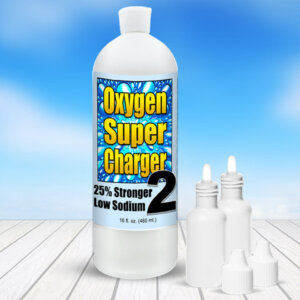
Ultra Strength OxygenSuperCharger2, 25% Stronger, 16–Ounce Bottle
$119.97 Add to cart -
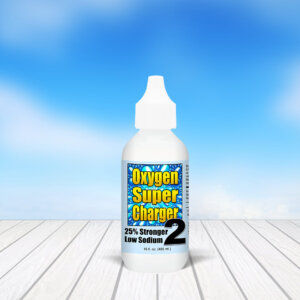
Ultra Strength OxygenSuperCharger2, 25% Stronger, 2–Ounce (Sample Size)
$35.97 Add to cart -
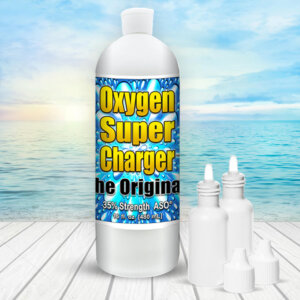
Original 35% Strength OxygenSuperCharger, 16–Ounce Bottle
$96.97 Add to cart -
Original 35% Strength OxygenSuperCharger, 2–Ounce (Sample Size)
$27.97 Add to cart -

MineralSuperCharger, Premium Multi-Mineral Supplement, 32-Ounce Quart
$98.97 Add to cart -

MineralSuperCharger, Premium Multi-Mineral Supplement, 8-Ounce (Sample Size)
$29.97 Add to cart -

Zinc – Plant-Sourced Mineral Concentrate, 16-ounce
$24.97 Add to cart -

O4 Nasal Spray with Zinc
$14.97 Add to cart